 Highlight Of Package
offered features
Overviews
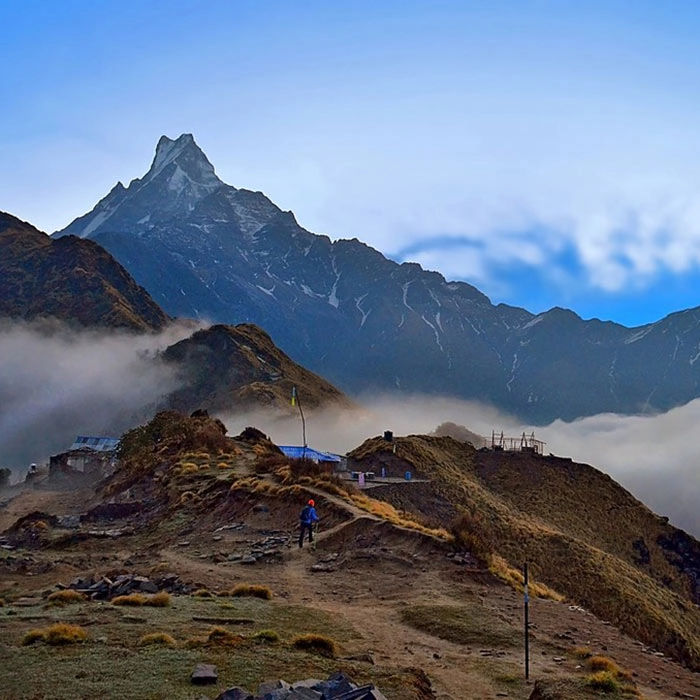
Mesokanto Pass Trekking is a high-altitude and adventurous journey into the heart of Nepal’s Annapurna region, ideal for those seeking solitude, challenge, and untouched Himalayan beauty.
This unique route takes trekkers above Tilicho Lake (4,949 meters)—the highest lake in the world—nestled in the remote alpine landscapes of the Annapurna range. Measuring approximately 4 km in length and 1 km in width, Tilicho Lake offers stunning turquoise waters backed by snow-covered peaks. The trek continues beyond the lake, ascending to the Mesokanto-La Pass at an elevation of 5,100 meters. The trail is moderately challenging and requires stamina, but the experience is deeply rewarding.
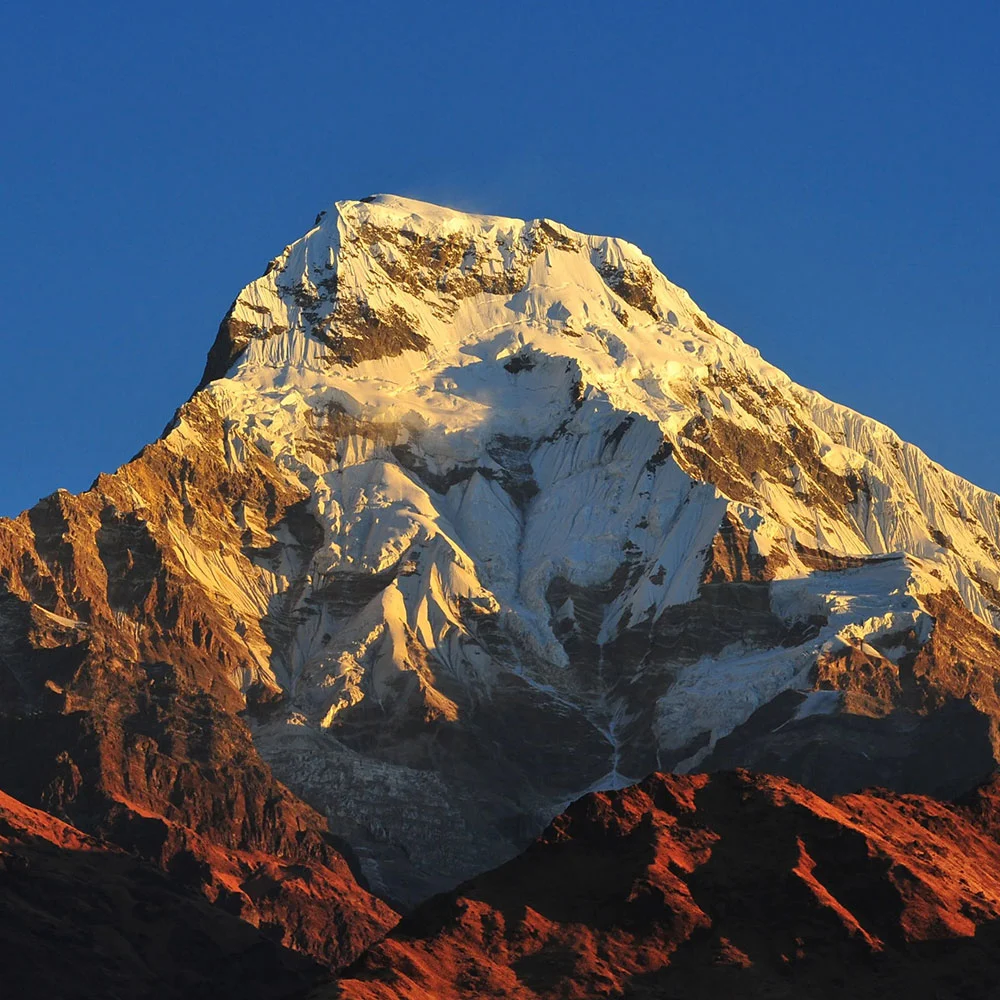
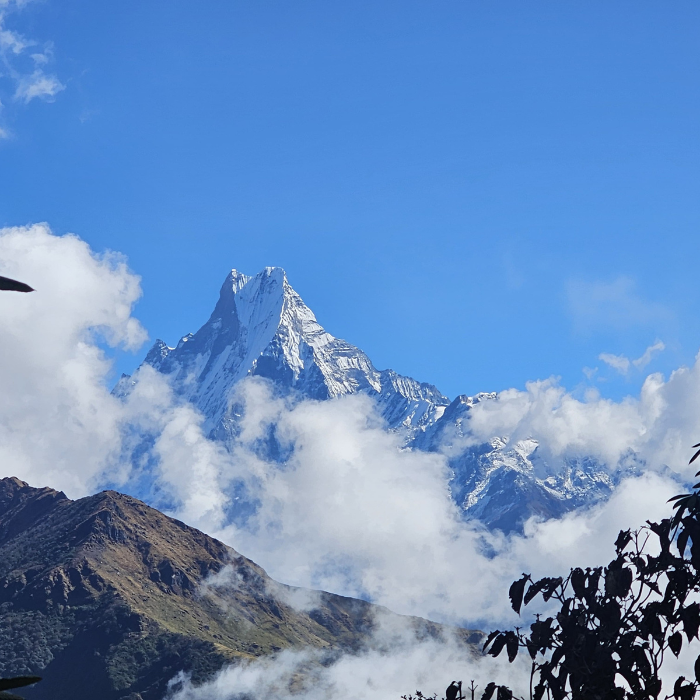
This trek offers panoramic views of iconic Himalayan giants including Mount Manaslu (8,163 m), Dhaulagiri (8,167 m), Annapurna I (8,091 m), and the sacred Muktinath Himal Range. The route passes alongside the glacial Marshyangdi River, winding through lush forests, traditional Gurung and Manangi villages, and the ancient valley of Manang. Mesokanto-La Pass is known not only for its natural beauty but also for its cultural richness, with glimpses of Tibetan Buddhist influence along the way. The trail offers both peace and excitement—far from crowded commercial routes—and presents an ideal escape for seasoned hikers and mountain lovers.
Mesokanto Trekking Route
Safety and precautions during the Trek
Best Time for Mesokanto Trekking
The journey begins with a scenic drive from Kathmandu to Chamje via local bus or a comfortable 4WD jeep. From there, the adventure unfolds gradually, with proper acclimatization and rest days planned to prevent Acute Mountain Sickness (AMS). Nepal Tibet Excursion provides highly experienced trekking guides who ensure a safe, informative, and enriching experience. Accommodations in Kathmandu range from standard to five-star hotels. During the trek, you will stay in clean, basic tea houses that offer simple meals and warm hospitality. Two nights will be spent in tented camps at higher altitudes for a true Himalayan wilderness experience.
Safety and health are top priorities, especially as this trek reaches elevations over 5,000 meters. A well-paced itinerary with rest days is crucial for acclimatization. Staying hydrated, taking it slow, and following your guide’s instructions are vital for a successful trek. For those unfamiliar with high-altitude travel, Nepal Tibet Excursion can provide guidance on dealing with altitude-related symptoms and trekking preparedness. For more information, refer to our detailed guide on how to stay healthy at high altitudes in the Himalayas.
The best time to trek to Mesokanto Pass is during the Spring (March to May) and Autumn (September to November) seasons. These months offer clear skies, moderate temperatures, and incredible mountain views. Due to unpredictable conditions, we do not operate this trek during the monsoon season. While rare, heavy rainfall or landslides in the mountains may cause minor delays. In such cases, our team will take all necessary precautions and ensure your safety remains the highest priority.
Accommodation during the Trek
The Tilicho Lake trek with Mesokanta La Pass follows the same route as the Annapurna Circuit Trek up to Manang. Since the Annapurna Circuit is a well-established trekking trail, you can comfortably stay in tea houses or lodges up to Manang.
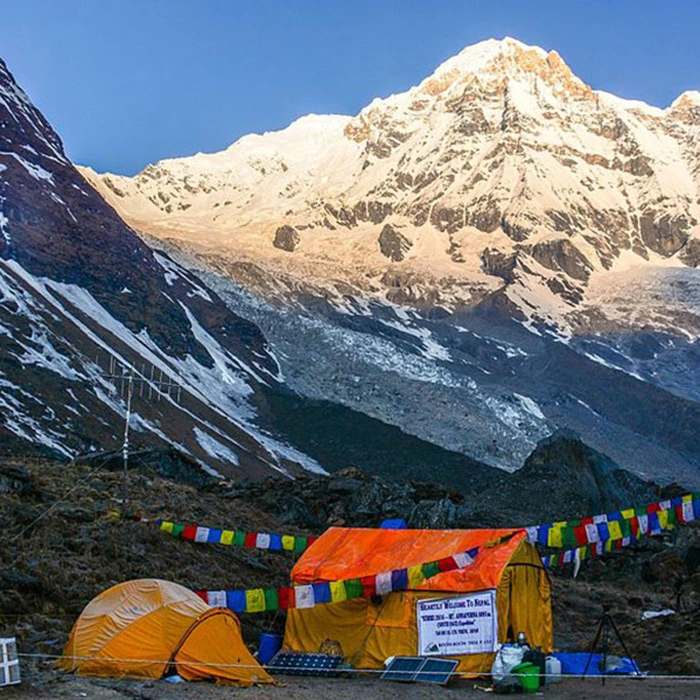
From Manang, the trail diverts toward Tilicho Lake, leading away from the more crowded paths of the Annapurna region. The tea house facilities between Manang and Tilicho Base Camp remain quite good, offering trekkers basic comfort along the way. However, beyond Tilicho High Camp and continuing until Jomsom, there are no tea houses or lodges available.
Therefore, all trekkers heading toward Mesokanta La Pass must be prepared to spend their nights camping in tents for this portion of the journey.
Food and Meals During the Mesokanta Pass Trek
Breakfast is provided at your hotel in Kathmandu before the trek begins. During the trekking days, all three meals—breakfast, lunch, and dinner—are included. Although you’ll be trekking in the mountains, you’ll have access to a variety of meals from menus offered at the tea houses and lodges along the route.
Throughout the Mesokanta Pass and Tilicho Lake trek, tea houses and restaurants serve a diverse range of food options. You can enjoy traditional Nepali dishes like Dal Bhat, as well as Indian and continental cuisine to suit different tastes.
It’s worth noting that the Mesokanta Pass trek takes place within the Annapurna Conservation Area, one of Nepal’s protected regions, where sustainable tourism practices are encouraged to preserve the natural environment.
Nepal Tibet Excursion offers fixed departures for Mesokanto Pass Trekking in 2025 and 2026. If group dates do not suit your travel plans, we are happy to organize tailor-made treks according to your preferred schedule. Simply let us know your availability and interests, and we will design a custom itinerary that suits your pace and preferences. Whether you are a solo traveler, couple, or private group, we guarantee a flexible and well-organized trekking experience.
This 18-day trekking adventure begins and ends in Kathmandu and covers everything from transportation and accommodation to meals and trekking permits. It’s an opportunity to explore one of Nepal’s most scenic and spiritually rich trails—far away from the crowds, deep into the heart of the Annapurna wilderness.
To book your spot or inquire more about the Mesokanto Pass Trekking itinerary, pricing, or customization, contact Nepal Tibet Excursion today via WhatsApp at +9779851162276 or email us. Let us help you discover a truly unique and memorable trekking journey across the Himalayas.
Cost Include
Cost Exclude
Itinerary
Our representative will be waiting to welcome you at the arrival gate of Tribhuvan International Airport. A private vehicle will be ready in the airport parking area to transfer you comfortably to your hotel in Thamel, Kathmandu. After check-in and some rest, you will attend a detailed trek briefing in the evening, where you'll also be introduced to our ground support team.
The Kathmandu Valley is home to seven UNESCO World Heritage Sites, and today you'll explore three of its most iconic landmarks with a knowledgeable guide. After breakfast at your hotel, your guided cultural tour begins with visits to Pashupatinath, Boudhanath, and Kathmandu Durbar Square.
Pashupatinath is one of the holiest Hindu temples dedicated to Lord Shiva, drawing pilgrims and visitors from around the world. Next, you'll visit Boudhanath, a revered Buddhist stupa located on the valley's edge, known for its peaceful atmosphere and spiritual significance. Finally, you'll explore Kathmandu Durbar Square, the former royal palace complex of the Malla kings, now a fascinating museum and architectural gem. After the tour, you’ll return to your hotel in the evening for an overnight stay.
Our trek begins with a scenic drive to Besisaha, riverside town which serves as gateway to Manang region.The trip starts early in the morning in Kathmandu, where you will board a private vehicle for. Departing around 6–7 a.m., you leave the bustling city and head west along the Prithvi Highway. The first leg of the journey takes you through scenic valleys with terraced fields, dense forests, and views of the Trishuli and Marsyangdi rivers. A typical stop for tea or lunch is in Mugling, where the road forks toward Pokhara. After Mugling, you turn north at Dumre toward Besisahar, driving on a narrower, winding road that climbs gently through hills and rural villages. The entire trip by public bus takes about 5–6 hours, depending on traffic and road conditions. By late afternoon, you arrive in Besisahar, the gateway town for the Annapurna region, where you'll find stay at the hotel, making it an ideal place to rest and prepare for the trek ahead.
After enjoying a delicious breakfast at the teahouse in Besisahar, we’ll set off for Chame, beginning a scenic drive through the heart of the Annapurna region. The road is a mix of paved and rough, bumpy sections, winding through landscapes that gradually grow more mountainous as we ascend. Along the way, we’ll be treated to spectacular Himalayan vistas of Annapurna II, Pisang Peak, and Lamjung Himal, making the journey especially rewarding. Our route passes through green valleys, terraced fields, dense forests, rocky paths, and traditional hamlets, offering glimpses of the local culture and lifestyle of the Gurung and Manangi communities. By late afternoon, we’ll arrive in Chame, the official starting point of the Annapurna Circuit Trek, where we’ll settle in for the night at one of the best traditional tea houses in this beautiful mountain village.
We pause for rest at several charming villages including Lata Marang, Danagyu, and Koto Qupar, where you can enjoy the tranquil mountain atmosphere and local culture. Eventually, we arrive in Chame—a lively village nestled within the narrow river valley. As the district headquarters of Manang, Chame is home to various government offices, a regional hospital equipped with modern facilities, and a dense local population. This vibrant hub will be our overnight stop for the day.
As the journey continues from Chame toward Pisang and Manang, the stunning valley of Pisang gradually unfolds before you. The trail begins by winding through deep, narrow river gorges, crossing the powerful Marsyangdi River multiple times via suspension bridges. About an hour after departing Chame, you’ll reach the quaint village of Bharatan, known for its vast apple and apricot orchards. The juicy apples grown here are not only delicious but also play a vital role in Manang’s local economy.
The trail continues through a series of small riverside settlements, offering a glimpse into the everyday life of highland communities. As you approach Dhukure Pokhari, the valley begins to widen dramatically, revealing breathtaking Himalayan views in every direction. Towering snow-capped peaks create a spectacular backdrop as you near the day’s destination. By evening, you’ll arrive at the serene village of Lower Pisang, nestled beside the river, where you’ll rest for the night.
As you depart from Pisang in the morning, you're greeted with breathtaking views of some of the region's most iconic peaks, including Chulu Himal (6,584m), Annapurna III (7,454m), Annapurna II (7,939m), and Himlung Himal (7,125m), among many others. Towering above the village is Pisang Peak (6,091m), a well-known climbing destination in the Annapurna region.
The day’s trek is filled with awe-inspiring mountain scenery from every direction, making the journey truly memorable. As we make our way toward Humde, the only domestic airport in the Manang district, the views continue to impress. Humde is a notable waypoint along the route due to its strategic location.
From Humde, the trail climbs steadily through a broad river valley, eventually leading us to the bustling village of Manang by evening. Manang serves as the commercial center of the district and is characterized by its distinctive architecture. Traditional Manangi homes, built from mud and stone, are stacked closely together, creating a unique village atmosphere. We will spend the night in Manang, taking in the cultural and natural beauty of this Himalayan settlement.
Manang village is a significant settlement of the Manangi people, who practice Tibetan Buddhism and maintain a rich cultural heritage. Nestled in a picturesque valley beneath the towering Himalayas, Manang beautifully blends old-world charm with modern comforts. This day is designated for acclimatization, and there are plenty of enriching activities to enjoy.
Just a short walk from the village lies Gangapurna Lake, known for its striking turquoise waters and serene atmosphere. You can also hike to the renowned Cave of 100 Monks, a sacred site believed to bring blessings and spiritual protection for a successful journey ahead. Additionally, the nearby village of Brabal is home to several Buddhist monasteries where you can witness or join in traditional prayer ceremonies. We return to Manang for an overnight stay, soaking in the tranquility and spiritual essence of this Himalayan village.
Today’s trek marks our first ascent above 4,000 meters. Leaving the dry, rugged landscape of Manang village behind, we head west along the trail. After about an hour, we arrive at the confluence of two rivers: the Thorung Khola, which flows from Thorung Peak, and the Marsyangdhi River, fed by Tilicho Lake. From here, the trail climbs steeply through a barren, sandy terrain toward Khangsar.
We stop for lunch in Khangsar, home to the ancient Tasab Gompa monastery, which has stood for over a thousand years. After our break, we begin the second leg of the day’s journey, gradually ascending from Khangsar and reaching Shree Kharka by evening.
The trek from Shree Kharka to Tilicho Base Camp is known for being one of the more strenuous sections of the route, demanding both endurance and careful footing. We set out early in the morning, making our way through the stark, desolate terrain of Pusen Danda. The landscape here is strikingly barren, with little vegetation, dominated by dusty, sandy paths interspersed with loose rocks and gravel.
Our trail climbs in a series of switchbacks, requiring steady pacing and frequent breaks to catch our breath and take in the dramatic high-altitude scenery. The first stretch is particularly challenging, featuring a steep ascent to the Top of the Col, which stands impressively at 4,970 meters. From this vantage point, we are rewarded with breathtaking panoramic views of the surrounding peaks, glaciers, and the rugged terrain we’ve traversed.
After taking time to rest and appreciate the vistas, we begin our descent. The trail eases into a gradual downhill slope as we make our way toward Tilicho Base Camp. Though the descent is less taxing on the lungs, it demands careful attention due to the loose, rocky surface.
Tilicho Base Camp itself is a remote outpost, with just a single teahouse providing shelter and basic amenities for trekkers. Upon arrival, we check in, grateful for a warm meal and a place to rest after the day’s demanding journey. We’ll spend the night here, recuperating and preparing for the adventure that awaits us the following day.
The trek from Tilicho Base Camp to Tilicho Lake is demanding and often treacherous, following sandy trails carved into unstable, dry landslide slopes and narrow ledges. The path requires caution at every step. The journey to the lake typically takes around three hours, with dramatic, rugged scenery all along the way.
Upon arriving at Tilicho Lake, we continue hiking along its shore to the northern end, where we will establish our campsite for the night. Tilicho Lake is renowned as one of the highest-altitude lakes in Nepal, perched amid towering peaks.
Its waters remain a striking deep blue, exuding a sense of serene stillness. Yet the atmosphere here is raw and wild, with powerful winds often howling through the stark, remote landscape. At our north-end campsite, the ground crew will handle setting up your tents and preparing a hot meal, ensuring a comfortable overnight stop in this breathtaking high-altitude wilderness.
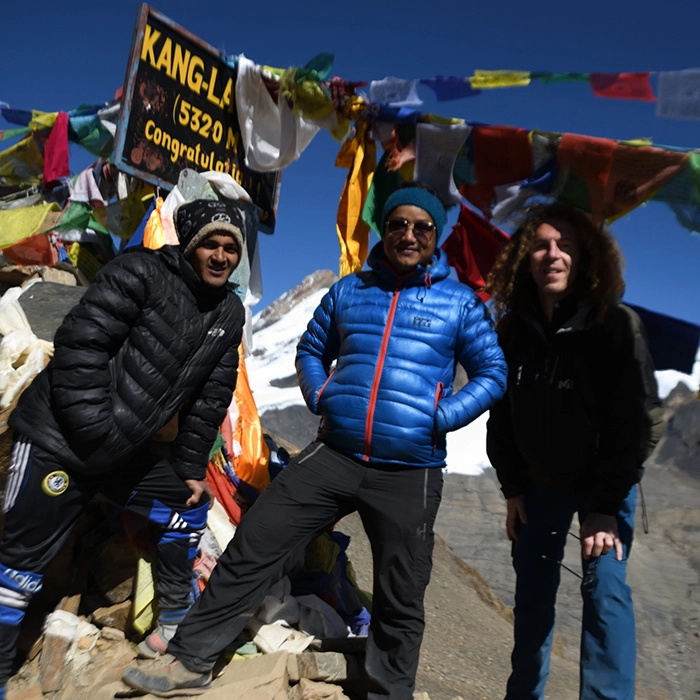
The twelfth day is the most important and challenging of our entire trek, as we cross its highest point: Mesokanta La. The trail begins gently, with a relatively smooth and easy-to-follow path. We gradually ascend toward the northern moraine of Tilicho, taking our time to adjust to the altitude and enjoy the stark beauty of the landscape.
From the moraine, the climb becomes steeper, with a series of switchbacks leading us steadily upward to the top of Mesokanta La. On clear days, the pass rewards us with sweeping views of towering peaks, including Mt. Shya Gang, Mt. Khatung Kang, Mt. Yakwakang, and many other majestic summits. The terrain here is marked by glacial ice formations and shimmering snow domes, creating a dramatic high-altitude panorama.
After taking in the spectacular scenery, we begin our descent from Mesokanta La. Though still demanding, this section of the trail is relatively straightforward, guiding us carefully down from the heights into the next stage of our journey.
Today’s trek is relatively easy and relaxed. We make our way through beautiful alpine forests and lush, dense green jungles, following a scenic path along the bank of the Thini River toward Thini Village. Along the way, we pass notable landmarks such as the Nama Phug Caves and the Prabsa Goat Farm before crossing a charming wooden bridge over the Thini River.
As we approach Thini Village, the imposing Nilgiri Himal comes into full view, its majestic peaks dominating the skyline. From this vantage point, you can also see the broad flatlands that stretch toward Jomsom, Marpha, and other traditional Thakali villages. Below, the powerful Kaligandaki River cuts its way dramatically across the landscape, its waters roaring through the valley floor.
After about five hours of trekking, we continue our gradual descent and finally arrive at Jomsom. This bustling town is the commercial hub and administrative center of the Mustang District. Nestled along the banks of the Kaligandaki River, Jomsom offers a lively atmosphere and marks the end of today’s scenic journey.
The day begins with a pleasant walk across the broad flatlands of Mustang’s traditional villages. We set off westward, following the winding banks of the Kaligandaki River. The landscape here is strikingly dramatic, with Mustang’s vast, dry, and barren hills rising on either side—stark and rugged, remaining arid for much of the year. During winter, this region is notorious for its fierce, howling winds that sweep relentlessly through the valleys.
Our route today follows a graveled roadway that threads through a series of picturesque villages. We cross the Kaligandaki River several times via suspension bridges, often taking convenient shortcuts along the way. The trail leads us through the charming settlements of Marpha, famous for its apple orchards; Tukuche, with its historic trading heritage; and on through Khwanti, Kobang, and Larjung, before finally reaching our destination of Kalopani.
These villages are marked by their distinctive stone-built houses with thatched roofs, preserving the traditional architecture of the region. Kalopani, in particular, is known for its delightful apple-based treats—you’ll have the chance to savor freshly baked apple pie and apple crumble, local specialties that are especially popular with trekkers.
Throughout the day, you’ll enjoy incredible views of towering Himalayan giants, including the mighty Mt. Dhaulagiri (8,163 m) and Annapurna I (8,091 m), their snow-capped peaks gleaming against the sky. As you approach Kalopani, the landscape begins to change noticeably, with sub-tropical pine forests encircling the village and adding a welcome splash of green to the otherwise stark scenery.
We will spend the night in Kalopani, resting in this peaceful, scenic setting in preparation for the journey ahead.
We begin our day in Kalopani with the stunning sight of the sun rising over the majestic Annapurna massifs, casting a golden glow across the snow-clad peaks. Kalopani itself is a small, picturesque Thakali settlement located along the roadside of the Muktinath-Pokhara highway. This charming village offers an authentic glimpse into daily life in the Mustang district, where you can experience the unique traditions and hospitality of the Thakali and Gurung communities living in and around the area.
The hotel in Kalopani is thoughtfully designed, with architecture that reflects local style while also embracing sustainable tourism practices in its operations. After a hearty breakfast, we set out for an easygoing trek along the banks of the Kali Gandaki River. The trail gently descends and crosses the river multiple times using footbridges, offering a relaxed pace to take in the surrounding beauty. One of the most remarkable highlights of today’s journey is passing through Dana Gorge—the deepest gorge in the world—where the Kali Gandaki River has carved its way between towering cliffs. The trail often winds through narrow alleyways shaped by the river’s course over millennia, creating dramatic scenery with every turn.
By evening, we arrive at Tatopani, a popular stop for weary trekkers. Here, you can soak in the natural hot springs, a perfect way to relax and soothe tired muscles after the day’s walk, surrounded by the tranquil sounds of the river and the lush, green landscape.
Our trek concludes today as we board a vehicle bound for Pokhara. The journey from Tatopani to Pokhara covers a distance of 104 kilometers. We begin by following a rough, dirt road that winds its way to Beni, a bustling riverside settlement nestled among the hills.
From Beni onward, the road is fully paved, making for a smoother ride that takes around three hours to complete. By evening, we arrive in the vibrant city of Pokhara, where we can unwind and soak in the beautiful sunset while relaxing by the tranquil lakeside.
After enjoying breakfast at the hotel, we begin our return journey from Pokhara. Our route follows the scenic Prithvi Highway, passing through a series of small towns along the way, including Damauli, Dumre, Mugling, and Malekhu. By evening, we arrive in Kathmandu, where we’ll settle in at our hotel and relax after the long drive.
Nepal Tibet Excursion representative will take you to the airport for your final departure back home after a wonderful time here in this majestic landscape of Nepal.
Route Map For Mesokanto Pass Trek
 Frequently Asked Questions
Group Join Discount
| Nos Of Persons | price per person |
|---|
Up Coming Fixed Departure
| Trip Name | Departure Date | Price | Trip Status | Action |
|---|
Package Reviews And Rating
Write Reviews
Enquiry For Further Information