 Highlight Of Package
offered features
Overviews
Overview

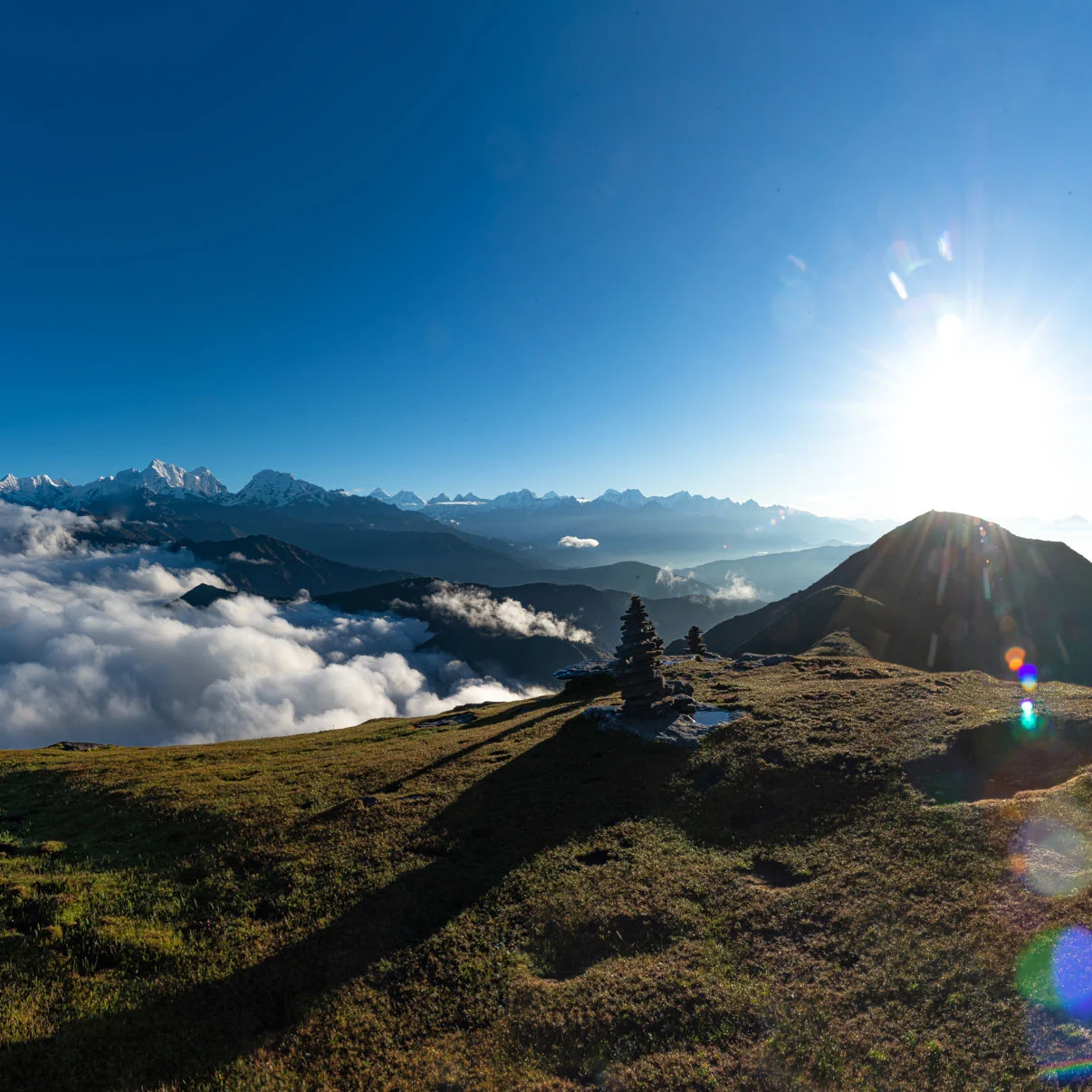
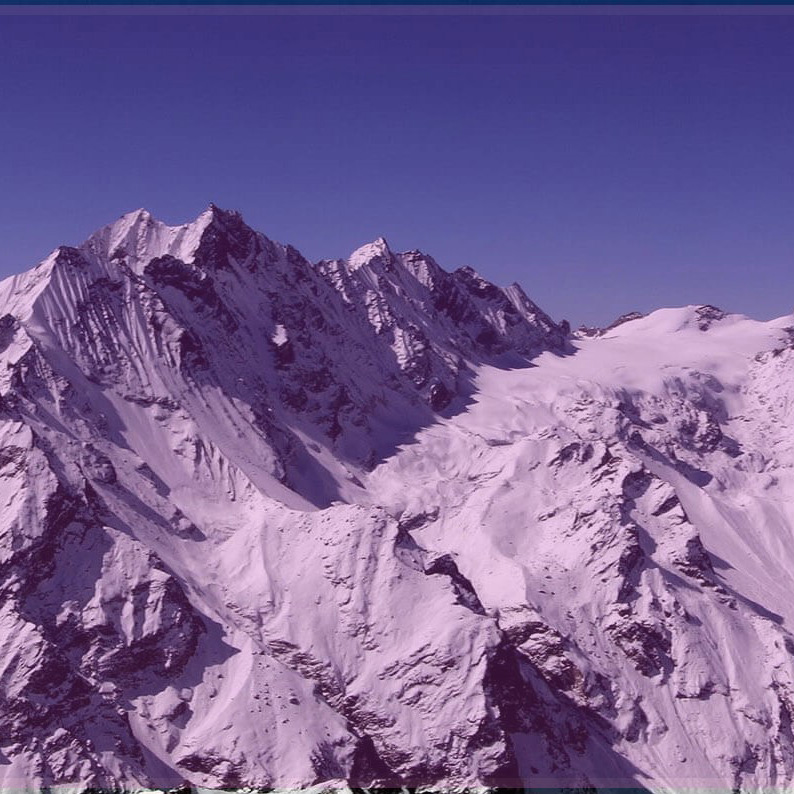
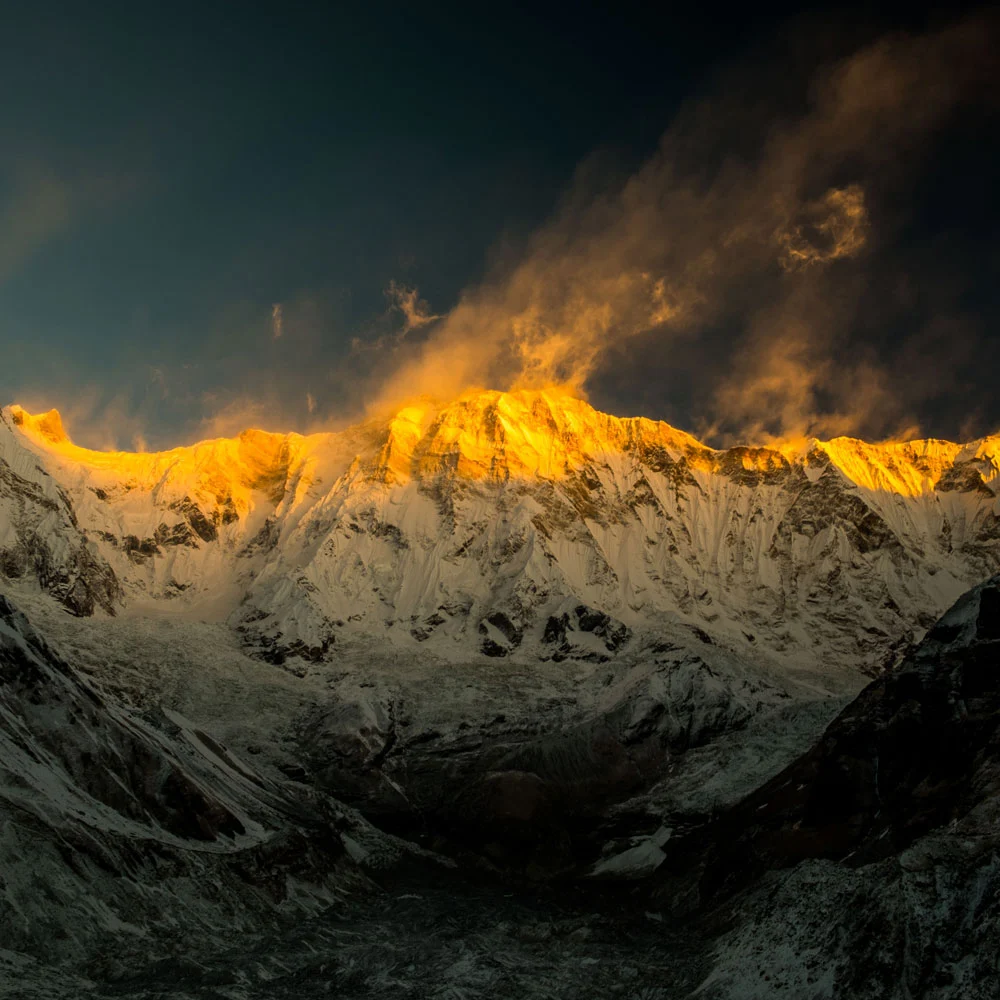
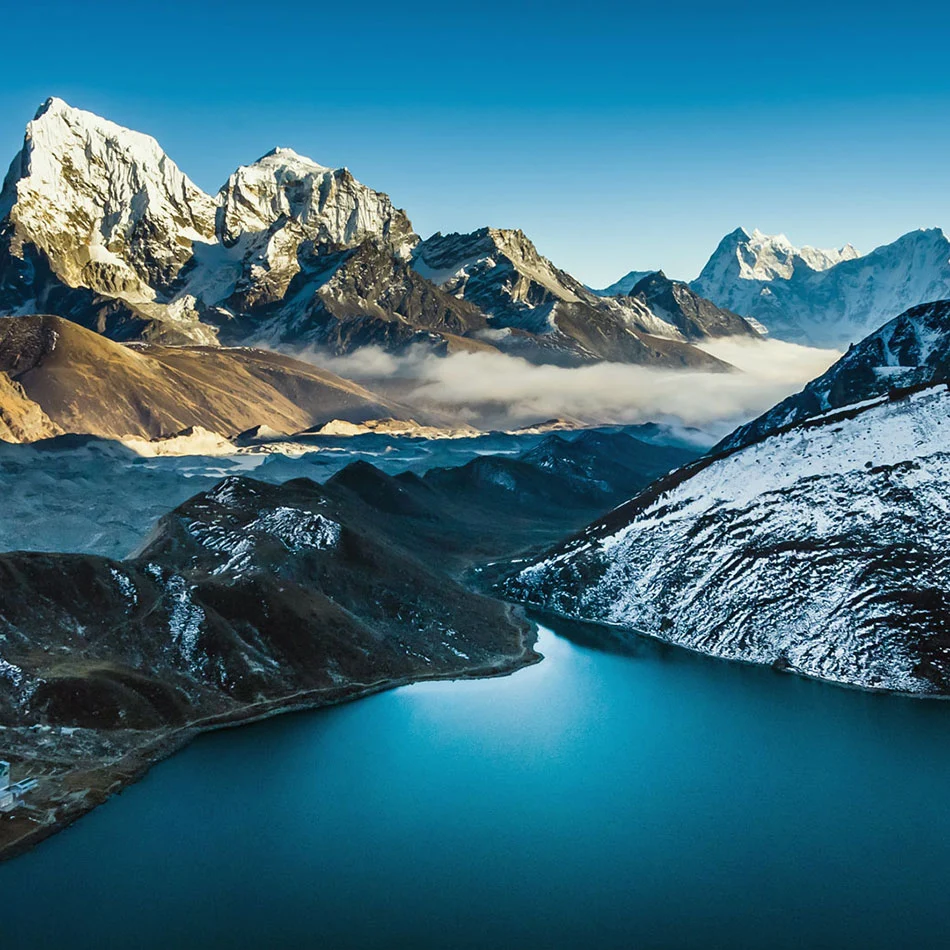
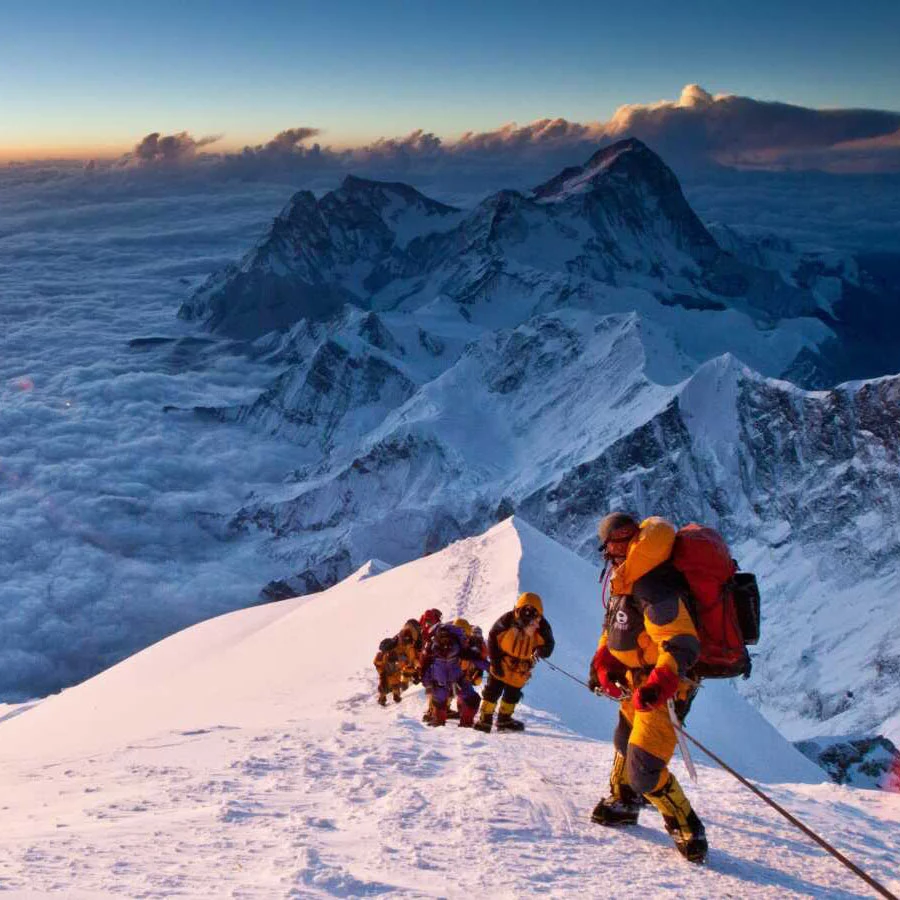
The Everest Base Camp Trek with Nepal Tibet Excursion is the ultimate Himalayan journey, guiding you to the base of the world’s tallest mountain—Mount Everest at 5,364 meters. This iconic adventure offers a perfect blend of breathtaking scenery, cultural encounters, and a deep sense of personal achievement. Designed with optimal acclimatization and efficient pacing, the trek ensures a smooth and enjoyable ascent. A major highlight is the early morning hike to Kala Patthar (5,545m), where you’re rewarded with panoramic views of Everest, Lhotse, Nuptse, and surrounding snow-capped peaks.
Following the classic trail through the Khumbu Valley, the trek showcases Nepal’s diverse natural beauty—from lush forests and terraced hillsides to alpine wilderness and dramatic glacial landscapes. Along the route, you’ll cross iconic suspension bxridges, follow roaring rivers, and trek alongside the Khumbu Glacier. Memorable stops include Namche Bazaar—the bustling Sherpa town; Tengboche Monastery, known for its spiritual ambiance and mountain backdrops; and poignant memorials to climbers, adding emotional depth to the journey.
Your adventure begins with a scenic flight from Kathmandu or Manthali to Lukla (2,840m), the gateway to the Everest region. From there, you’ll begin a gradual trek to Phakding and ascend to Namche Bazaar, where acclimatization days help you adapt to the altitude while exploring local highlights. The route then leads through Tengboche, Dingboche, and Lobuche, where the terrain becomes increasingly stark and majestic.
The final approach to Everest Base Camp and the sunrise climb to Kala Patthar are the most exhilarating parts of the trek, offering unmatched Himalayan views and a true sense of accomplishment. The descent retraces your steps with a steady pace, ensuring comfort and safety, and concludes with a return flight from Lukla to Kathmandu. This unforgettable journey with Nepal Tibet Excursion promises a once-in-a-lifetime experience in the heart of the Himalayas.
Route

The Everest Base Camp Trek is a legendary Himalayan adventure that draws trekkers from all corners of the globe. Spanning 14 days, this unforgettable journey takes you deep into the heart of the Khumbu region, where awe-inspiring mountain vistas, vibrant Sherpa culture, and centuries-old monasteries create a truly enriching experience. The ultimate goal—reaching Everest Base Camp—stands as a dream for many and a symbol of achievement for those who complete the trek.
Winding through lush forests, alpine valleys, and glacial landscapes, the Everest Base Camp Trek offers a perfect blend of natural beauty and cultural depth. Each day on the trail brings new discoveries, from traditional mountain villages and fluttering prayer flags to panoramic views of Everest, Lhotse, Ama Dablam, and more. This article provides a detailed map of the classical Everest Base Camp route to help you visualize the journey and prepare for one of the most iconic treks on Earth.
Difficulty
The Everest Base Camp trek presents a moderately challenging yet thoroughly rewarding journey that spans roughly 65 km each way through Sagarmatha National Park, with elevations rising from Lukla (≈2,840 m) to Everest Base Camp (≈5,364 m) and Kala Patthar (≈5,555 m). The route traverses varied terrain—from slippery forested trails and arched suspension bridges to rocky moraine fields beyond Gorak Shep—along with steep ascents to places like Namche Bazaar and Kala Patthar that demand cardiovascular stamina and solid footing.
However, the greatest challenge is altitude: rapid elevation gain (600–800 m per day) and thinning oxygen levels increase the risk of acute mountain sickness, making proper acclimatization days at Namche and Dingboche essential for safety and success. With the right physical training, pacing, and mental resilience, most trekkers can complete the EBC trek, often describing it as a once-in-a-lifetime achievement rather than a technical mountaineering route.
Accommodation During the Trek
During the Everest Base Camp Trek, you’ll stay in locally-run tea houses and mountain lodges that offer a warm and authentic trekking experience. While the facilities are basic, they are clean and comfortable—perfect for resting after a day on the trail. Most tea houses provide solar-powered electricity for charging devices like phones and cameras, though charging may come with a small fee. Wi-Fi is available in many places along the route, especially in popular villages like Namche Bazaar and Dingboche, but connections can be slow and are usually paid. In higher elevations, connectivity and electricity may be limited, so carrying a power bank is highly recommended.
Rooms are generally simple twin-sharing with basic bedding, pillows, and blankets provided. Attached bathrooms are rare, especially at higher altitudes, with most lodges offering shared toilets. As temperatures drop significantly at night, especially above 3,000 meters, a good-quality sleeping bag is essential for warmth and a comfortable night's rest. Despite the modest facilities, the cozy atmosphere and warm hospitality of the tea houses make your stay along the Everest Base Camp trail a memorable part of the adventure.
Food and Meals
The Everest Base Camp trek is one of the most iconic routes in the Himalayas, attracting adventurers from around the world each year. Along the trail, a network of tea houses provides a variety of meals, ranging from comforting Nepali staples to popular international dishes.
Trekkers are free to choose their meals, but we encourage you to try local Nepali cuisine for a more immersive cultural experience. For those seeking a unique way to celebrate the festive season, Nepal Tibet Excursion also organizes Everest Base Camp treks during Christmas and New Year, offering a once-in-a-lifetime holiday adventure in the heart of the Himalayas.
Trekking Permits
Since the Everest Base Camp trek passes through the protected region of Sagarmatha National Park, trekkers must obtain specific permits before starting the journey. Nepal Tibet Excursion handles all permit arrangements on your behalf, including the Sagarmatha National Park Entry Permit and the Khumbu Rural Municipality Permit, ensuring a hassle-free experience.
If you have any questions regarding permits, itinerary planning, or trek preparation, feel free to contact us—we’re here to make your Everest adventure smooth and stress-free.
Best Time

The best time for Everest Base Camp trek is during the spring (March to May) and autumn (September to November) seasons. These months offer the most favorable trekking conditions with stable weather, clear skies, and comfortable temperatures. In spring, the trail comes alive with blooming rhododendrons and other wildflowers, while autumn offers crisp mountain air and sweeping views of Everest and the surrounding Himalayan giants. Both seasons are ideal for enjoying the scenery, staying warm during the day, and minimizing weather-related disruptions like flight delays or snowfall on the trail.
Trekking during winter (December to February) is possible but comes with challenges such as freezing temperatures, icy trails, and fewer open tea houses. However, it also offers solitude and exceptionally clear mountain views for those prepared for the cold. The monsoon season (June to August) is the least favorable due to heavy rainfall, slippery trails, and a higher risk of landslides. Visibility is often poor, and flights to Lukla are frequently delayed or canceled. For the best overall experience, Nepal Tibet Excursion recommends planning your EBC trek in either spring or autumn to enjoy the region's natural beauty and cultural richness under the best possible conditions.
Packing List for Everest Base Camp Trek
A well-thought-out packing list is crucial for a safe, comfortable, and successful Everest Base Camp trek. Given the high altitude and ever-changing mountain weather, you'll need reliable gear and layered clothing to adapt to warm valley days and freezing nights at higher elevations. Essential items include sturdy, high-ankle trekking boots, insulating base layers, a warm down jacket, waterproof outerwear, trekking poles, and a four-season sleeping bag. Also bring sun protection, a personal first-aid kit, and a well-fitted backpack to organize your gear. With proper preparation, you’ll be ready for the diverse conditions along the trail.
Clothing Essentials:
Communication
Mobile network coverage is generally available in the lower sections of the Everest Base Camp trek, such as Lukla, Phakding, and Namche Bazaar. However, as trekkers ascend toward higher altitudes—particularly beyond Tengboche and Dingboche—coverage becomes limited and inconsistent. WiFi is available in some teahouses for a fee, but speeds are slow and not always reliable. Guides are typically equipped with mobile phones or satellite devices for emergencies. Trekkers are advised to notify family and friends in advance and embrace the digital detox as part of the high-altitude experience.
Major Attractions of this Trek
The Everest Base Camp trek is a bucket-list adventure that takes you into the heart of the majestic Himalayas, blending jaw-dropping mountain vistas, ancient Sherpa culture, and the thrill of trekking to the base of the world’s highest peak—Mount Everest (8,848.86m). This 14-day journey is not just a physical challenge, but a deep spiritual and cultural immersion into the Khumbu region.
The trek begins with a dramatic mountain flight to Lukla, a tiny airstrip perched on a ridge, and continues through charming Sherpa villages like Phakding, Namche Bazaar, and Tengboche. Along the trail, trekkers are treated to awe-inspiring views of some of the world’s highest peaks, including Lhotse, Nuptse, Ama Dablam, and of course, Everest itself.
One of the standout spiritual experiences of the trek is a visit to Tengboche Monastery, the largest monastery in the region, set against the dramatic backdrop of snow-capped giants. The daily rituals and chanting of monks offer a moment of reflection and peace amidst the rugged landscape.
The journey gradually ascends through high-altitude terrains, with stopovers in Dingboche and Lobuche for acclimatization and preparation. Upon reaching Everest Base Camp (5,364m), trekkers stand in the shadow of the Khumbu Icefall, surrounded by towering seracs and the powerful energy of the climbing expeditions that begin their journey here. A sunrise hike to Kala Patthar (5,545m) rewards trekkers with the most iconic and up-close panoramic views of Mount Everest and the surrounding peaks.
Throughout the trek, landscapes shift dramatically—from rhododendron forests and alpine meadows to glacial moraines and high-altitude deserts. The trail also crosses suspension bridges over roaring rivers and weaves through prayer flag-lined trails and chortens, capturing the essence of Himalayan spirituality.
Culturally, the trek offers rich interactions with the Sherpa community, renowned for their resilience, hospitality, and deep-rooted Buddhist traditions. Teahouse stays provide cozy, authentic experiences with hearty meals and local warmth.
As the trek winds down through Pheriche, Namche, and back to Lukla, trekkers carry home not just photographs and stories, but a profound sense of accomplishment and connection with one of Earth’s most legendary landscapes. For those seeking more, optional extensions to Gokyo Lakes, Chola Pass, or even a helicopter return from base camp can further elevate the adventure.
Cost Include
Cost Exclude
Itinerary
Upon arrival at Tribhuvan International Airport in Kathmandu, a representative from Nepal Tibet
Excursion will receive you and transfer you to your hotel. After settling in, you’ll attend a detailed
trek briefing covering permits, gear checks, and important safety guidelines. The rest of the day is
free for rest or a short stroll around Thamel to soak in the vibrant atmosphere of the capital.
Early in the morning, you’ll board a scenic mountain flight to Lukla, one of the world’s most
thrilling airports nestled amidst the Himalayas. Upon arrival, the trek officially begins with a gentle
walk downhill through pine forests and charming Sherpa villages. The trail follows the Dudh Koshi
River, leading yxaou to the riversidzae settlement of Phakding. Overnight stay at a teahouse.
Today’s trek takes you through pine and rhododendron forests, crossing several suspension bridges,
including the iconic Hillary Bridge. As you ascend gradually, you’ll pass through Monjo and enter
the Sagarmatha National Park. The final stretch involves a steep climb to Namche Bazaar, the
bustling heart of the Khumbu region, offering your first glimpse of Everest if the weather is clear.
To aid acclimatization, you’ll spend the day exploring Namche and its surroundings. A short hike to
the Everest View Hotel offers stunning panoramic views of Everest, Lhotse, Ama Dablam, and
other peaks. You can also visit the Sherpa Cultural Museum and local markets. This day helps your
body adjust to the altitude while enjoying the region's rich culture and scenery.
Leaving Namche, the trail winds along a scenic ridge with incredible views before descending to
the Dudh Koshi River. After crossing the river, a challenging uphill climb through pine and
rhododendron forests leads you to Tengboche. This village is famous for the Tengboche Monastery,
the largest in the region, with a spectacular mountain backdrop including Everest and Ama Dablam.
The trail descends through forests to Debuche and crosses a suspension bridge over the Imja Khola.
From here, the trail ascends gradually past Pangboche, where trekkers can visit the oldest monastery
in the Khumbu region. The landscape becomes more alpine as you approach Dingboche, a
picturesque village surrounded by towering peaks and stone-walled fields.
Another acclimatization day allows your body to adapt to the increasing altitude. You can take a
short hike to Nagarjun Hill (5,100m) for sweeping views of Makalu, Lhotse, and Island Peak. The
rest of the day is free to relax or explore the village. Dingboche offers stunning scenery and a great
chance to rest before heading higher.
The trail climbs steadily through alpine meadows and past memorials at Thukla dedicated to fallen
climbers. Continuing onward, you’ll witness dramatic views of mountains like Pumori, Lingtren,
and Khumbutse. The path follows the lateral moraine of the Khumbu Glacier, eventually leading to
Lobuche, a small but vital settlement nestled beneath towering peaks.
Today is the most anticipated day of the trek. A morning trek brings you to Gorakshep, the last
settlement before base camp. After a brief rest and lunch, you’ll continue along the glacier to reach
the legendary Everest Base Camp. Standing at the foot of the world’s tallest mountain, surrounded
by prayer flags, ice towers, and expedition camps, is an unforgettable moment. Return to Gorakshep
for the night.
Before dawn, you’ll hike up Kala Patthar, the highest point of the trek, to witness a breathtaking
sunrise over Everest, Lhotse, Nuptse, and surrounding peaks. After soaking in the views, you’ll
descend to Gorakshep for breakfast and begin the descent through rocky terrain to the village of
Pheriche. The oxygen-rich air will feel noticeably refreshing
The trail retraces its steps through alpine landscapes, rhododendron forests, and river crossings. The
downhill journey becomes easier as you lose altitude, and the scenery becomes greener. By
afternoon, you’ll arrive back at Namche Bazaar, where warm showers, good food, and WiFi await.
This is the final day of trekking as you descend steeply through forests and across suspension
bridges, passing by villages like Monjo and Phakding. The trail leads back to Lukla, where you can
reflect on your incredible journey and enjoy a celebration dinner with your trekking team.
In the morning, you’ll catch a scenic flight from Lukla back to Kathmandu. After landing, you’ll be
transferred to your hotel. The rest of the day is free to relax, enjoy local cuisine, or do some
souvenir shopping in Thamel.
After breakfast, Nepal Tibet Excursion will arrange your transfer to Tribhuvan International Airport
for your onward journey. With hearts full of memories and achievements, your Everest adventure
concludes.
Route Map For Everest Base Camp Trek
 Frequently Asked Questions
Group Join Discount
| Nos Of Persons | price per person |
|---|
Up Coming Fixed Departure
| Trip Name | Departure Date | Price | Trip Status | Action |
|---|
Package Reviews And Rating
Write Reviews
Enquiry For Further Information