 Highlight Of Package
offered features
Overviews
Embarking on an Island Peak Climbing adventure with Nepal Tibet Excursion promises an awe-inspiring and challenging experience amidst the grandeur of the Himalayas. Island Peak, also known as Imja Tse, is a popular trekking peak in the Everest region of Nepal, offering trekkers the opportunity to reach new heights in the heart of the world's tallest mountain range. This 19-day package, thoughtfully designed by Nepal Tibet Excursion, ensures a journey filled with breathtaking vistas, cultural immersion, and a profound sense of accomplishment.
Island Peak - A Himalayan Gem:
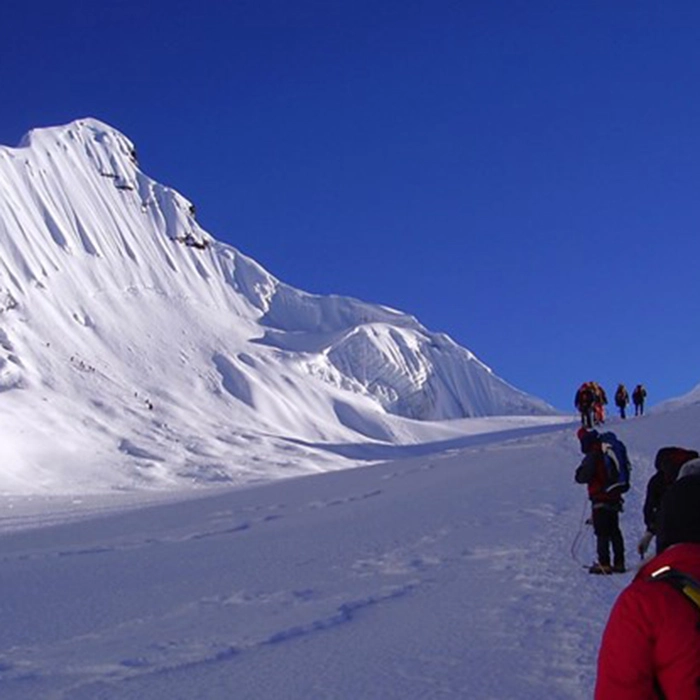
Island Peak stands at an impressive 6,189 meters (20,305 feet) and provides a remarkable climbing experience for those seeking to conquer a Himalayan summit. The trek to Island Peak is an extension of the classic Everest Base Camp trek, which includes traversing through picturesque landscapes, charming Sherpa villages, and lush forests. The highlight of the journey is the Island Peak ascent, where you'll test your mountaineering skills and reach the summit, surrounded by towering peaks and panoramic views of the Khumbu Valley.
Highlights of Island Peak Climbing with :
Challenging Ascent: Island Peak offers a challenging yet rewarding climb, making it an ideal choice for those looking to take their trekking and mountaineering skills to the next level.
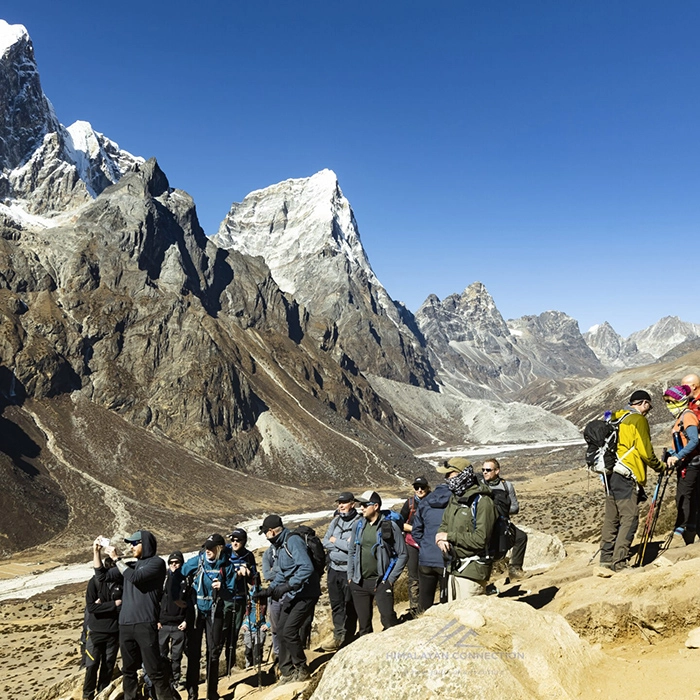
Scenic Beauty: The trek takes you through diverse landscapes, from rhododendron forests to alpine meadows, and offers stunning views of iconic peaks such as Everest, Lhotse, and Ama Dablam.
Sherpa Culture: Interact with the welcoming Sherpa community, learn about their rich culture, and explore monasteries and ancient traditions in the Everest region.
19-Day Itinerary: Nepal Tibet Excursion's 19-day package includes ample time for acclimatization, ensuring a safe and successful climb. The itinerary also covers theEverest Base Camp, providing a comprehensive experience of the region.
Local Expertise: Nepal Tibet Excursion's experienced guides and support staff are well-versed in the terrain, weather conditions, and challenges of the Himalayas. Their knowledge and dedication ensure your safety and enrich your journey with local stories and insights.
Safety First: Safety is paramount on this expedition. The team follows stringent safety protocols, carries essential equipment, conducts risk assessments, and is prepared to handle any emergencies that may arise during the climb.
Porter Assistance: Skilled porters or yaks are provided to carry your main luggage, allowing you to trek with a lighter daypack, enhancing your comfort and overall trekking experience.
Preparation: Nepal Tibet Excursion goes the extra mile to help you prepare for the Island Peak Climbing adventure. You'll receive detailed pre-trek information, guidance on physical and mental preparation, and all the support you need to embark on this extraordinary journey with confidence.
Best Season for Island Peak Climbing:
The best time for Island Peak Climbing is during the pre-monsoon season (spring) and post-monsoon season (autumn), just like the Annapurna Base Camp trek. These seasons provide stable weather, clear skies, and comfortable temperatures, ensuring a safe and enjoyable climbing experience. The spring season (February to April) offers excellent visibility and beautiful rhododendron blooms, while the autumn season (September to November) provides mild temperatures and clear mountain views.
Island Peak Climbing is a challenging adventure, and trekking during these optimal seasons minimizes the risk of flight cancellations or disruptions due to adverse weather conditions. Nepal Tibet Excursion's 19-day package ensures that you make the most of these ideal seasons for a transformative Himalayan climbing experience.
Invest in an Unforgettable Himalayan Journey:
The cost of the Island Peak Climbing package with Nepal Tibet Excursion can vary based on factors like the duration of the trek, chosen services and accommodations, the trekking company, and any additional activities. On average, the cost typically ranges from $2,000 to $3,500 per person. This investment covers permits, guide and porter services, accommodation, meals, and may include flights from Kathmandu to Lukla, the starting point of the trek.
While Island Peak Climbing is an investment, the experience of standing on its summit, surrounded by the world's highest peaks, is genuinely priceless. This 19-day adventure offers a unique blend of natural beauty, cultural encounters, and personal achievements. It's an opportunity to conquer a Himalayan peak and create lasting memories of a challenging yet immensely rewarding journey with Nepal Tibet Excursion.
In conclusion, Island Peak Climbing with Nepal Tibet Excursion is an adventure that promises to be unforgettable and deeply satisfying. With careful planning, local expertise, and a commitment to safety, you'll have the chance to reach new heights in the Himalayas, surrounded by the breathtaking landscapes and rich culture of the Everest region. The investment in this 19-day package is an investment in a transformative and life-enriching journey that will leave you with lasting memories of this extraordinary Himalayan adventure.
Further Information And Facts
Difficulty: Challenging
Island Peak climbing is categorized as a challenging endeavor. Climbers should have prior trekking and basic mountaineering experience, including familiarity with the use of climbing gear like ice axes and crampons. The ascent involves sections of rock, ice, and snow, requiring technical skills and physical endurance. Proper acclimatization is crucial for coping with the altitude and thin air.
Maximum Altitude: 6,189 meters (20,305 feet)
Island Peak stands at an elevation of 6,189 meters, making it a significant peak in the Everest region. Climbers will experience a substantial gain in altitude during the trek and climb. Altitude-related challenges, such as lower oxygen levels, become more pronounced at higher elevations, emphasizing the importance of acclimatization and gradual ascent.
Best Season: Spring (March to May) and Autumn (September to November)
The optimal times for Island Peak Climbing are during the spring (March to May) and autumn (September to November) seasons. These periods offer stable weather conditions, clear skies, and moderate temperatures, providing favorable conditions for both trekking and climbing. Spring is known for blooming rhododendron flowers, while autumn provides crisp visibility and stunning mountain panoramas.
Permits: Sagarmatha National Park Permit and Island Peak Climbing Permit Required
Sagarmatha National Park Permit:
All trekkers and climbers entering the Everest region, including those heading to Island Peak, are required to obtain a Sagarmatha National Park Permit. This permit helps fund conservation efforts and ensures that visitors adhere to environmental guidelines.
Island Peak Climbing Permit:
In addition to the national park permit, climbers specifically aiming for Island Peak need to obtain an Island Peak Climbing Permit. This permit is issued by the Nepal Mountaineering Association (NMA) and is essential for legal and safety reasons. It ensures that climbers are accounted for, and the fees contribute to the maintenance of climbing routes and safety measures.
Cost Include
Cost Exclude
Itinerary
Upon your arrival at Tribhuvan International Airport in Kathmandu, you'll be greeted by a representative of Gorkha Travels and transferred to your hotel. After check-in and a brief rest, you can explore the vibrant streets of Kathmandu, perhaps visiting some historic sites or enjoying a traditional Nepali meal. You'll spend the night at a comfortable hotel in Kathmandu.
Today is dedicated to sightseeing in the Kathmandu Valley, a UNESCO World Heritage Site. You'll visit iconic landmarks such as Swayambhunath Stupa (the Monkey Temple), Pashupatinath Temple, Boudhanath Stupa, and the ancient Patan Durbar Square. In the afternoon, there will be a pre-trek briefing and equipment check to ensure you have everything you need for the upcoming journey. You'll stay in the same hotel in Kathmandu.
An early morning flight from Kathmandu takes you to Lukla, where your Island Peak Climbing adventure truly begins. After landing on the famous Tenzing-Hillary Airport runway, you'll meet the local crew and start your trek. The trail descends to the Dudh Kosi River and leads you to Phakding, a charming village in the Khumbu region. Today's trek takes approximately 3-4 hours, and you'll stay in a teahouse.
The journey continues along the banks of the Dudh Kosi River, crossing suspension bridges adorned with colorful prayer flags. After a challenging ascent, you'll reach the vibrant and bustling Namche Bazaar, a trading hub in the Everest region. The trek takes about 6-7 hours, and you'll spend the night in a cozy teahouse.
To acclimatize to the increasing altitude, you'll spend a day in Namche Bazaar. You have the option to explore the local market, visit the Everest View Hotel for stunning panoramic vistas, or hike to the nearby villages of Khumjung and Khunde. This rest day helps prepare your body for higher elevations.
The trail ascends gradually, providing breathtaking views of Everest, Lhotse, and Ama Dablam. You'll reach Tengboche, home to the famous Tengboche Monastery. This serene place offers a glimpse into the spiritual and cultural aspects of the region. The trek takes around 5-6 hours, and you'll stay in a teahouse.
As you continue your ascent, the landscape changes, and you enter the alpine region. The trail leads through rhododendron forests and opens up to wide pastures. You'll reach Dingboche, a picturesque village surrounded by stunning mountain views. The trek takes approximately 5-6 hours, and you'll stay in a teahouse.
Another acclimatization day is essential for adjusting to higher altitudes. You can take a short hike to Nagarjun Hill or simply relax in Dingboche. The day allows you to acclimate further and ensures your well-being for the Island Peak climb.
The trek to Chhukung is relatively short but takes you to higher altitudes. The path follows the Imja River, offering views of Island Peak and its surroundings. Chhukung is a small village nestled in the valley beneath Island Peak. The trek takes about 3-4 hours, and you'll stay in a teahouse.
You'll spend another day in Chhukung for additional acclimatization. This rest day is crucial for climbers to adapt to the altitude before ascending Island Peak.
Today, you'll trek to Island Peak Base Camp, the starting point for your summit attempt. The trail winds its way through rocky terrain, and as you reach the base camp, you'll be greeted by stunning views of the surrounding peaks. The trek takes about 3-4 hours, and you'll camp at the Island Peak Base Camp.
To further acclimatize and prepare for the climb, you'll ascend to the High Camp. The trail is challenging, and you'll gain elevation rapidly. After reaching the High Camp, you'll have time for a thorough briefing on the climb, including safety precautions and equipment usage. You'll camp at the High Camp for the night.
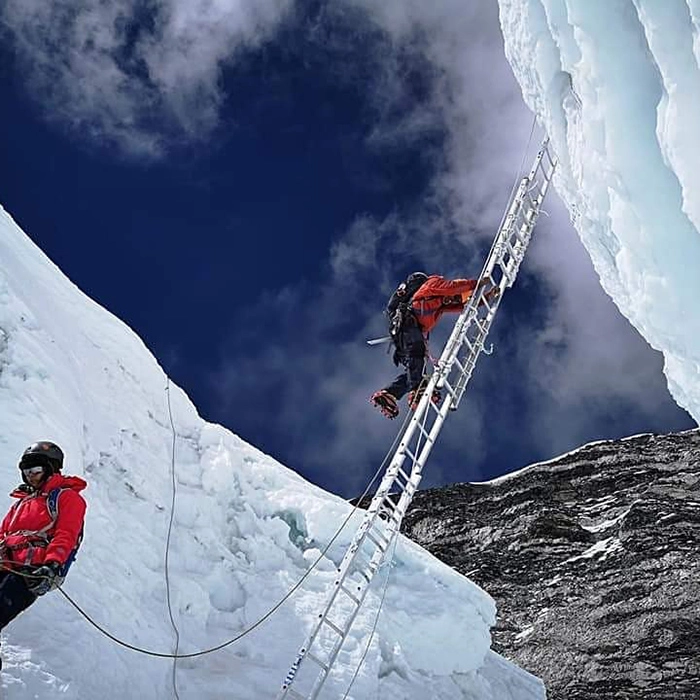
Today is the highlight of your expedition. You'll start your climb to the summit of Island Peak in the early hours of the morning. The ascent involves technical sections, including a steep ice wall, which is both thrilling and challenging. Upon reaching the summit, you'll be rewarded with breathtaking panoramic views of the Everest region. After spending some time at the summit, you'll descend to Chhukung, where you'll spend the night.
A contingency day is built into the itinerary to account for adverse weather conditions or any unforeseen circumstances that may have delayed the summit attempt. This extra day ensures flexibility in the schedule and increases the chances of a successful summit.
You'll retrace your steps as you descend from the high-altitude region. The trail leads through Dingboche and Tengboche, eventually bringing you back to the vibrant Namche Bazaar. The trek takes approximately 6-7 hours, and you'll stay in a teahouse.
Your trek continues as you make your way back to Lukla, the starting point of your Island Peak Climbing adventure. The trail descends through lush forests and picturesque villages, offering a sense of accomplishment as you reflect on your journey. The trek takes about 6-7 hours, and you'll stay in a teahouse.
In the morning, you'll catch a flight from Lukla to Kathmandu. Upon arrival, you can relax at your hotel or explore the city for last-minute shopping or sightseeing. This marks the end of your trekking portion. You'll spend the night in a comfortable hotel in Kathmandu.
You'll have a free day in Kathmandu to unwind, perhaps visiting any cultural sites you missed at the beginning of the trip or indulging in some last-minute souvenir shopping.
On the 19th day of your Island Peak Climbing adventure, it's time to bid farewell to the enchanting Himalayas and the vibrant city of Kathmandu. This day marks the conclusion of your journey.
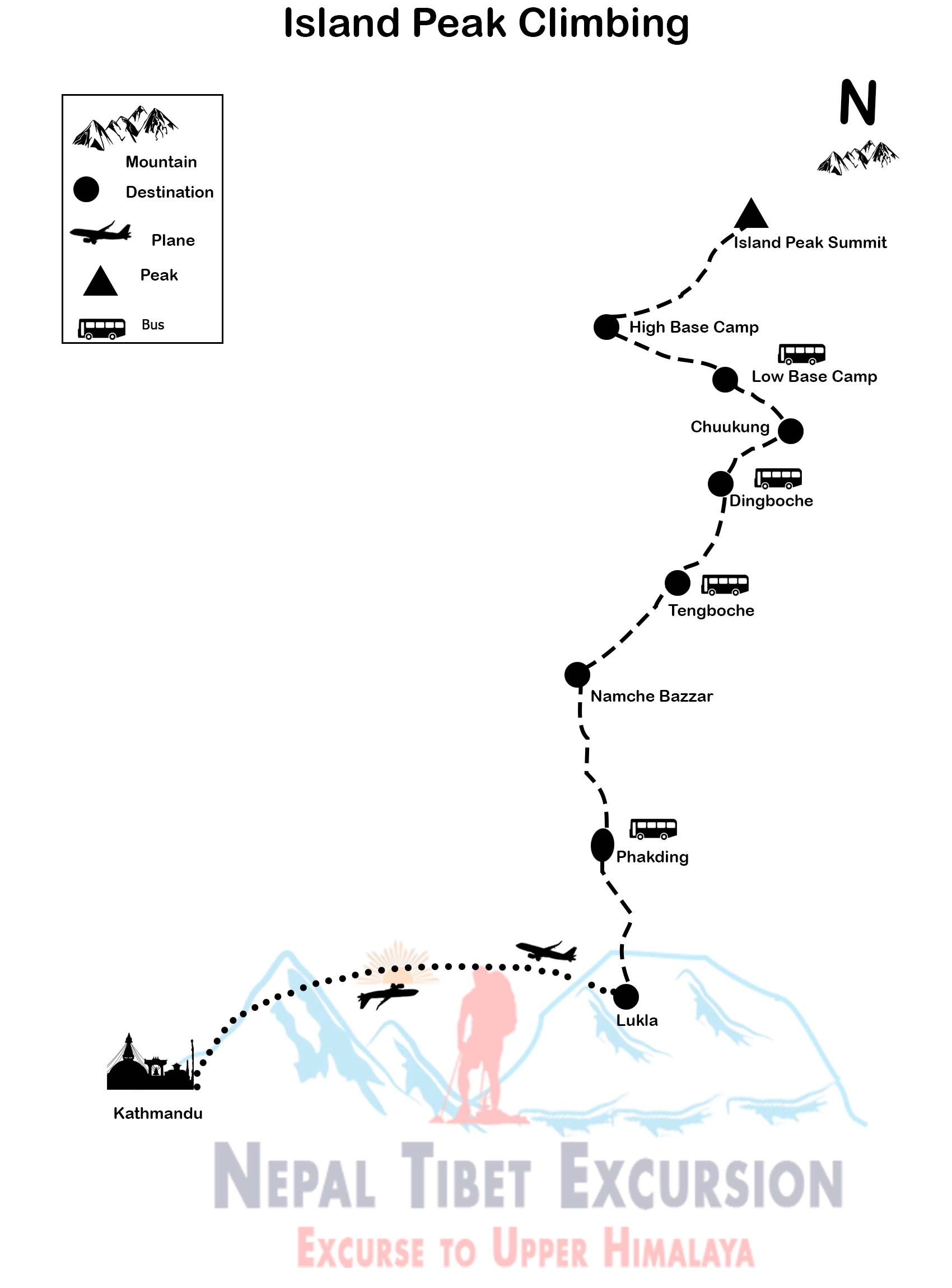
Route Map For Island Peak Climbing 19 Days
 Frequently Asked Questions
Group Join Discount
| Nos Of Persons | price per person |
|---|---|
| 1 persons | US$ 2700 |
| 2 persons | US$ 2565 |
| 3-5 persons | US$ 2511 |
| 6-9 persons | US$ 2430 |
| 10-15 persons | US$ 2376 |
| 16+ persons | US$ 2295 |
Up Coming Fixed Departure
| Trip Name | Departure Date | Price | Trip Status | Action |
|---|
Package Reviews And Rating
"The journey to Island Peak isn't just about reaching the summit; it's a visual masterpiece. As I trekked through the Khumbu Valley, the awe-inspiring vistas of snow-capped peaks, charming Sherpa villages, and the tranquil blue of glacial lakes were simply mesmerizing. The views of Everest and neighboring giants are worth every step."

"The journey to Island Peak isn't just about reaching the summit; it's a visual masterpiece. As I trekked through the Khumbu Valley, the awe-inspiring vistas of snow-capped peaks, charming Sherpa villages, and the tranquil blue of glacial lakes were simply mesmerizing. The views of Everest and neighboring giants are worth every step."
"The journey to Island Peak isn't just about reaching the summit; it's a visual masterpiece. As I trekked through the Khumbu Valley, the awe-inspiring vistas of snow-capped peaks, charming Sherpa villages, and the tranquil blue of glacial lakes were simply mesmerizing. The views of Everest and neighboring giants are worth every step."
"Island Peak, with its commanding presence in the Everest region of Nepal, is nothing short of a Himalayan gem. My recent climb to its summit was a transformative experience, and I can't recommend it enough for adventure enthusiasts and aspiring mountaineers."
Write Reviews
Enquiry For Further Information