 Highlight Of Package
offered features
Overviews
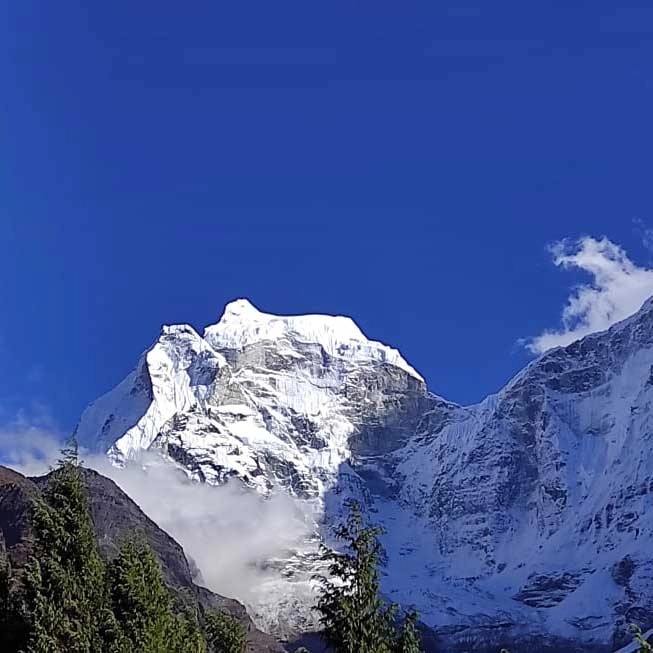
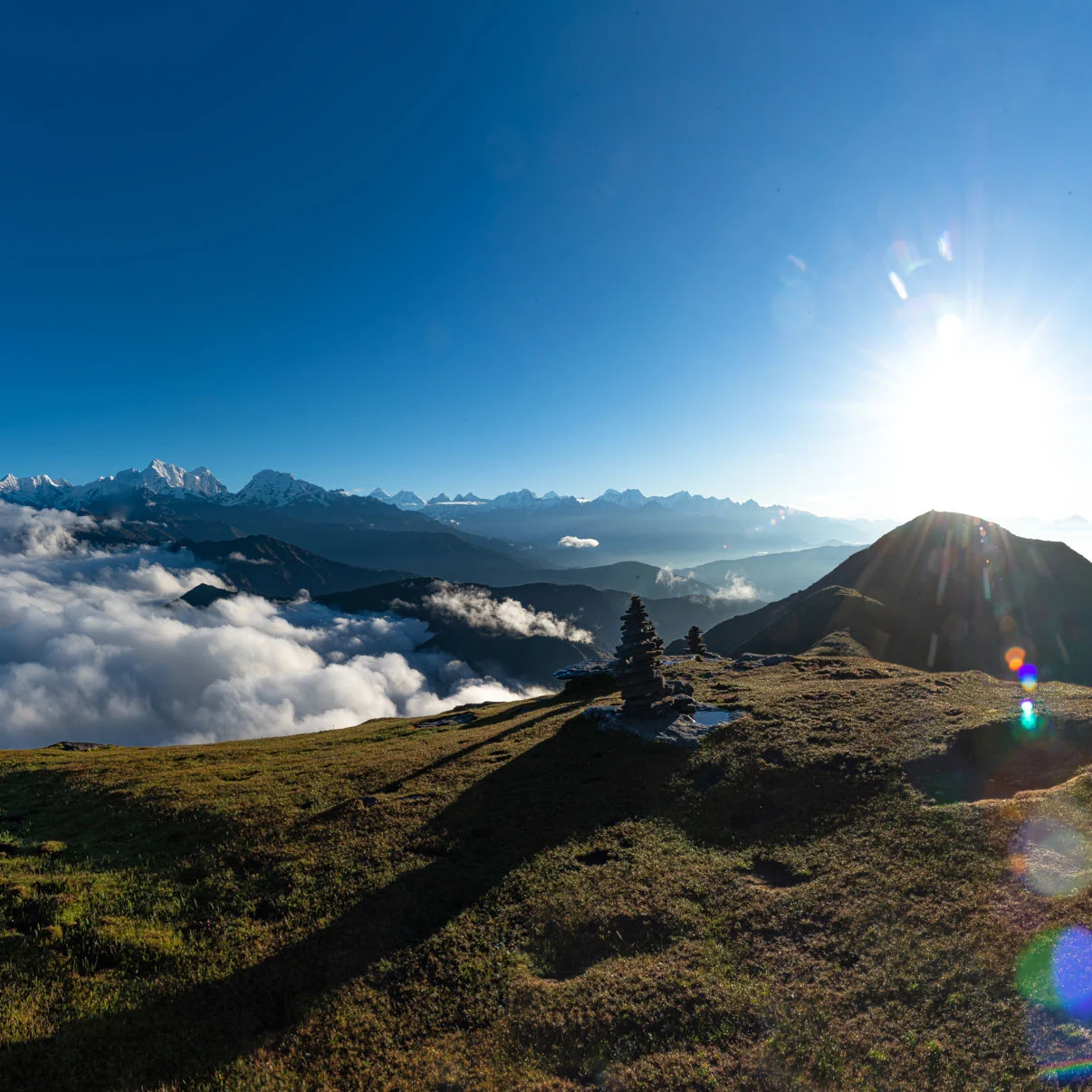
The Gokyo Ri Trek is a breathtaking journey through the heart of the Sagarmatha National Park, guiding you to the summit of Gokyo Ri (5,350m/17,562ft)—one of the best viewpoints in the Khumbu region. This lesser-traveled trail is a perfect alternative to the crowded Everest Base Camp Trek, offering equally dramatic alpine scenery, serene glacial lakes, and panoramic views of the world’s highest peaks, including Mount Everest (8,848m), Lhotse (8,516m), Makalu (8,463m), and Cho Oyu (8,201m).
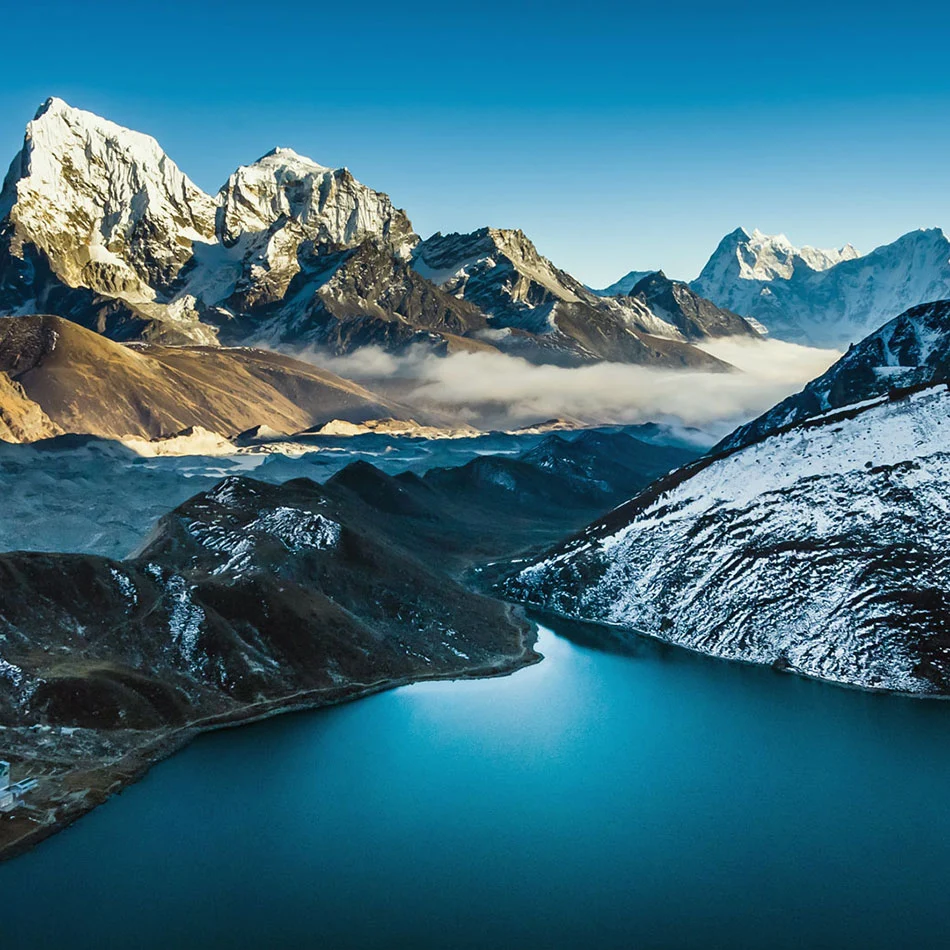
The trail winds along rugged mountain paths, across high-altitude Sherpa villages, hanging suspension bridges, and through isolated forests and valleys. One of the highlights is the shimmering Gokyo Lakes, a series of six turquoise glacial lakes that lie beside the immense Ngozumpa Glacier, the largest glacier in the Himalayas. This landscape creates an otherworldly contrast of ice, rock, and water—perfect for trekkers seeking both natural wonders and photographic opportunities.
Route
Starting with a scenic flight from Kathmandu or Manthali to Lukla, the trek ascends gently through Phakding and Namche Bazaar, a lively Sherpa town that serves as the region’s cultural and trading hub. After an important acclimatization day, the route leaves the classic Everest trail and leads toward the tranquil villages of Dole and Machhermo, before arriving at the picturesque Gokyo village, nestled beside the third Gokyo Lake.
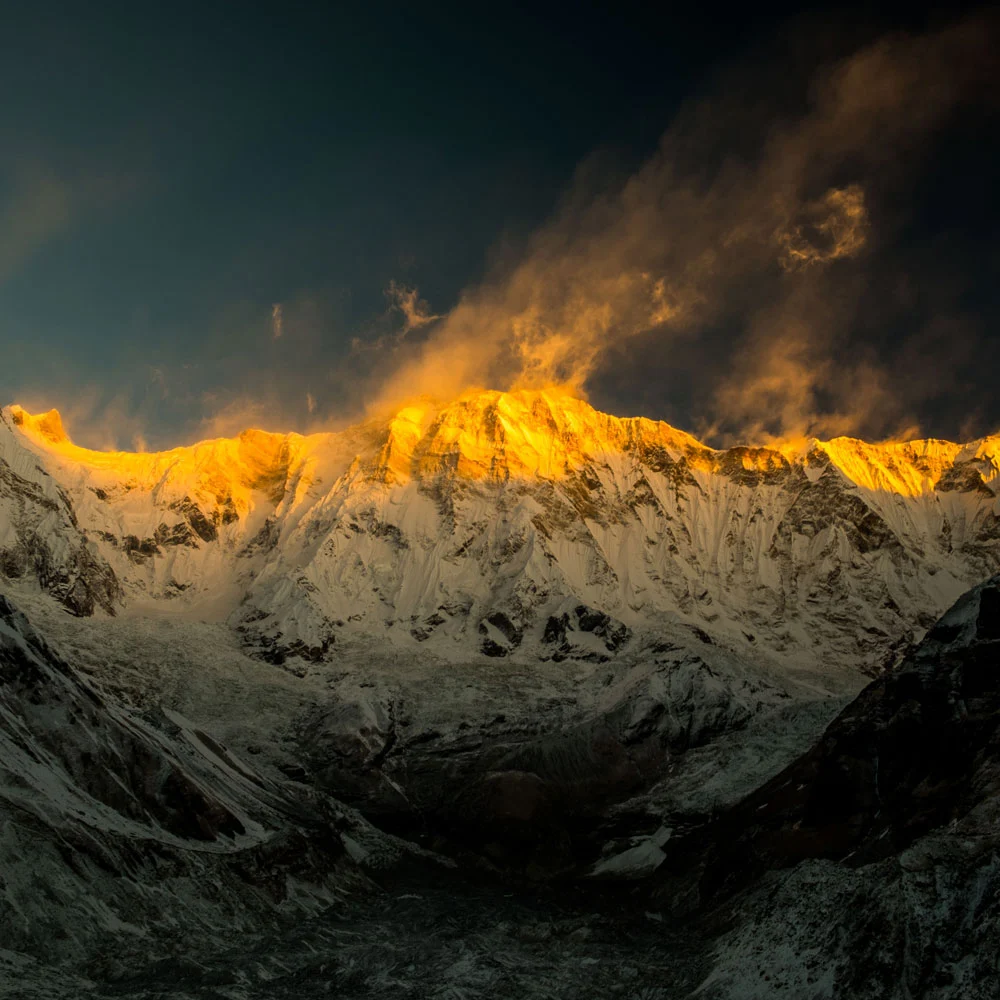
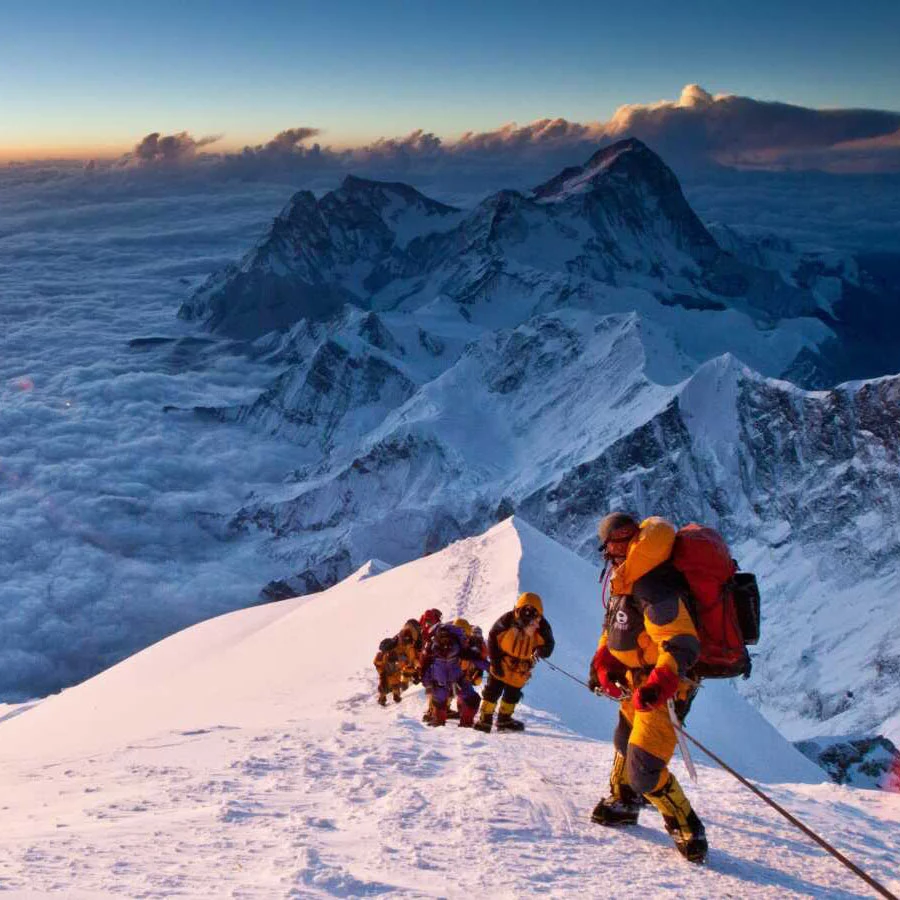
From here, an early morning hike to the summit of Gokyo Ri rewards trekkers with a stunning 360-degree view of four of the world's fourteen 8,000-meter peaks. Watching the first light of day illuminate the towering Himalayan giants is a moment that stays with you forever.
On the return journey, the trail retraces its steps via Dole and Namche back to Lukla. This trek is ideal for those looking for a quieter route in the Everest region, combining high-altitude adventure, Sherpa culture, and some of Nepal’s most pristine mountain scenery.
Difficulty and Best Time
The Gokyo Lake Trek is a moderately challenging adventure in the Everest region, renowned for its awe-inspiring views of towering Himalayan peaks like Everest, Lhotse, Nuptse, Cho Oyu, Taboche, and Cholaste. Trekkers are drawn to this route not only for its breathtaking mountain vistas but also for the serene beauty of the Gokyo Lakes and the iconic viewpoint of Gokyo Ri at 5,357 meters. However, this trek presents various challenges such as high altitudes, rugged terrain, steep ascents and descents, and long walking hours—typically 5 to 7 hours daily over a total distance of around 92 to 98 kilometers. These physical demands, combined with thinner oxygen levels at altitude, require adequate preparation, acclimatization, and endurance. The trail navigates through changing landscapes, from lush forests and Sherpa villages to rocky paths and glacial zones, demanding focus, stamina, and steady pacing to complete the journey comfortably.
Seasonal weather patterns play a crucial role in shaping the trekking experience. The best times to undertake the Gokyo Lake Trek are during the spring (March–May) and autumn (September–November) when conditions are generally dry and stable, offering clear skies, excellent visibility, and vibrant natural beauty such as blooming rhododendrons in spring. In contrast, the summer monsoon season (June–August) brings heavy rainfall, slippery trails, flight delays, and limited views due to cloud cover, while winter (December–February) poses challenges like extreme cold, snow-covered paths, and harsh weather at higher altitudes. Trekkers venturing in these off-peak seasons must be well-prepared for additional difficulties, but with the right gear and strategy, the trek remains a rewarding exploration of the Himalayan wilderness.
Accommodation During the Gokyo Lake Trek
Accommodation along the Gokyo Lake Trek consists primarily of locally-run tea houses and mountain lodges, offering a simple yet welcoming experience that reflects the charm of high-altitude Himalayan life. While the facilities are basic, they are clean and comfortable enough to provide much-needed rest after long trekking days. Most tea houses offer twin-sharing rooms with modest bedding, including pillows and blankets. In lower altitude villages such as Namche Bazaar, Dole, and Machhermo, you may find slightly better amenities, but as you ascend higher—especially in Gokyo Village—the lodges become more rustic, with shared toilets and fewer comfort features.
Electricity is usually solar-powered and available for lighting and device charging, though charging may come at a small fee. Internet access is available in some lower settlements like Namche, but it becomes scarce and unreliable as you go higher; Wi-Fi is often slow and paid. As temperatures drop significantly at night above 3,000 meters, especially near Gokyo Lakes, it is highly advisable to bring a good-quality sleeping bag rated for cold weather. Since hot showers and heating are limited at higher elevations and may cost extra, it’s best to prepare for minimal comforts. Despite these limitations, the warm Sherpa hospitality, communal dining rooms with wood stoves, and stunning mountain surroundings create a truly memorable and authentic trekking experience on the Gokyo route.
Food and Meals
During the Gokyo Lake Trek, trekkers are well-supported by a network of traditional tea houses that serve a variety of freshly prepared meals, catering to both local and international tastes. You'll find hearty options like dal bhat (Nepali lentil-rice set), fried noodles, momos (dumplings), pancakes, pasta, and soups—all designed to fuel your energy for the demanding trekking days ahead. Most tea houses offer fixed menus, and although food options become more limited at higher altitudes, the meals are filling and nourishing.
We highly encourage you to try traditional Nepali cuisine, which provides a more authentic cultural experience while supporting the local economy. For those seeking a special memory, Nepal Tibet Excursion also organizes Gokyo Lake treks during Christmas and New Year, offering a magical way to celebrate the holidays amidst snow-capped peaks and frozen lakes.
Trekking Permits
To complete the Gokyo Lake Trek, trekkers must obtain two permits:
Best Time to Trek
The best seasons for the Gokyo Lake Trek are spring (March–May) and autumn (September–November). These months offer clear skies, stable weather, and incredible visibility of the towering peaks including Everest, Cho Oyu, and Makalu. In spring, the trails are enhanced by blooming rhododendrons and moderate temperatures, while autumn features crisp air and crystal-clear views ideal for photography and mountain gazing.
Trekking in winter (December–February) is possible but more demanding due to colder temperatures and potential snow accumulation at higher elevations, especially near Gokyo Village and Gokyo Ri. Monsoon season (June–August)is the least favorable due to heavy rainfall, slippery trails, and poor visibility. For an optimal trekking experience, we recommend booking your trip during the spring or autumn seasons.
Packing List for Gokyo Lake Trek
Proper gear is essential for a safe and enjoyable Gokyo trek, where weather conditions vary dramatically with elevation. Prepare with layered clothing, quality footwear, and the right trekking equipment to adapt to shifting temperatures and rugged terrain. Below is a recommended packing guide:
Clothing Essentials
Communication
Mobile network coverage is generally available in the lower villages of the Gokyo Lake trek, such as Lukla, Phakding, and Namche Bazaar. As you ascend toward more remote areas like Dole, Machhermo, and Gokyo, the signal becomes weak or unavailable. Some tea houses offer paid Wi-Fi, but speeds are slow and connectivity is unreliable at high altitudes.
Most guides are equipped with phones and may have emergency communication devices. Trekkers are encouraged to inform loved ones in advance about limited connectivity and embrace the peace of being off-grid as part of the trekking experience. Carrying a power bank is also highly recommended for keeping your devices charged in areas with limited electricity.
Major Attractions of this Trek
The Gokyo Lake Trek is a spectacular alternative to the classic Everest Base Camp route, offering breathtaking alpine scenery, tranquil turquoise lakes, and panoramic viewpoints that rival (and in many ways surpass) the traditional EBC trail. This 13-day journey blends natural wonder, cultural encounters, and spiritual serenity, taking trekkers deep into the heart of the Khumbu region with fewer crowds and a more peaceful atmosphere.
The adventure begins with a thrilling flight to Lukla, one of the world’s most iconic high-altitude airstrips. From there, the trail follows the Dudh Koshi River, passing through verdant forests, suspension bridges, and picturesque Sherpa villages like Phakding and Namche Bazaar—the vibrant gateway to the Khumbu. Here, trekkers can explore bustling markets, visit museums, and acclimatize while surrounded by stunning views of Kongde Ri and Thamserku.
As the trek veers northwest from Namche, it leads into quieter, less-trodden paths toward the sacred Gokyo Valley. The trail ascends through peaceful settlements such as Dole and Machhermo, each offering captivating glimpses of Himalayan giants like Cho Oyu (8,188m)—the sixth-highest mountain in the world—and lush alpine scenery teeming with yak pastures and prayer flag-lined ridges.
The crown jewel of this trek is reaching the Gokyo Lakes, a stunning series of six glacial lakes shimmering in shades of emerald and turquoise, considered sacred by both Hindus and Buddhists. The third lake, Dudh Pokhari, is the site of the scenic Gokyo Village, nestled at an altitude of 4,790 meters. This serene lakeside settlement is a peaceful haven where trekkers can relax and acclimatize, with Cho Oyu towering directly above and reflections of snowy peaks dancing on the water’s surface.
The spiritual and visual climax of the trek is the ascent to Gokyo Ri (5,360m)—a panoramic viewpoint offering one of the best 360° Himalayan vistas available. From its summit, trekkers are rewarded with jaw-dropping views of Mount Everest, Lhotse, Makalu, Cho Oyu, and a sweeping panorama of the entire Ngozumpa Glacier, the largest glacier in Nepal.
Throughout the trek, the landscape transitions dramatically—from dense pine forests and rhododendron groves to rocky moraines and glacial valleys. The sense of solitude on the Gokyo route allows for deeper introspection and a closer connection with the natural and spiritual essence of the Himalayas.
Culturally, the trek offers meaningful interactions with the Sherpa people, whose homes, monasteries, and daily lives reflect a rich heritage steeped in Tibetan Buddhism. Ancient chortens, mani walls, and prayer wheels dot the trail, and the slower pace of the Gokyo route allows for more immersive cultural exchanges.
For those seeking an extended challenge, the trek can be combined with a crossing of the high-altitude Cho La Pass(5,420m), connecting to the classic Everest Base Camp route for an even more adventurous circuit.
As the journey concludes with a return through the Dudh Koshi Valley to Lukla, trekkers carry home a deep appreciation for Nepal’s raw beauty, sacred landscapes, and highland hospitality. The Gokyo Lake Trek is not just a trek—it’s a pilgrimage through one of the world’s most awe-inspiring and spiritually uplifting regions.
Cost Include
Cost Exclude
Itinerary
Your journey begins with a thrilling 40-minute mountain flight from Kathmandu to Lukla (2,850m), one of the most famous high-altitude airstrips in the world. Once you land, the trek officially begins. You descend through the village of Chaurikharka and continue downhill toward Dudh Koshi Ghat (2,530m), where you get your first taste of the Khumbu region's riverside beauty. The trail then gently undulates through picturesque landscapes lined with pine forests and traditional Sherpa homes before leading you to the village of Phakding (2,650m). This first day of trekking, just around 3 hours, is intentionally light to help you acclimatize. Phakding itself is a lively hub of trekkers and locals, home to cafes, gear shops, and the serene Rimishung Monastery, which you may choose to visit in the evening.
The second day of the trek takes you deeper into the heart of the Khumbu region. Following the Dudh Koshi River, you cross several suspension bridges draped with fluttering prayer flags, each crossing more thrilling than the last. The trail gradually ascends through pine forests to reach Monjo, a charming village and the entry point to Sagarmatha National Park. After registering your permit here, you begin the steep but rewarding climb through forested paths and stone staircases. As you ascend, you may catch your first glimpse of Mount Everest peeking through the valley walls. The day ends with your arrival in Namche Bazaar (3,440m), the Sherpa capital and a vibrant trading town carved into a natural amphitheater.
Today is a rest day, but it’s far from idle. As your body adjusts to the altitude, you’ll embark on short excursions to stay active. After a leisurely breakfast, you can wander the streets of Namche, visiting local shops, cafes, and bakeries known for their apple pies and fresh coffee. A popular acclimatization hike takes you up to the Syangboche Airstrip (3,780m)—one of the world’s highest airports—and onward to the Everest View Hotel, offering stunning panoramas of Everest, Lhotse, and Ama Dablam. For those interested in culture, a hike to Khumjung village reveals the Hillary School and Khumjung Monastery, where a so-called Yeti scalp is displayed. A visit to the nearby yak farm adds a glimpse into rural Sherpa life.
Leaving Namche, the trail winds upward through rhododendron forests and past yak-grazing pastures. After a brief descent to the village of Kyanjuma, the path climbs to Mong La Pass (3,957m), offering breathtaking views of Ama Dablam and Thamserku. You then descend to Phortse Thenga before embarking on a steady uphill journey through pine and birch forests rich with wildlife. Along the way, the views of the surrounding snow-capped peaks become increasingly majestic. Eventually, you reach Dole (4,200m), a peaceful hamlet surrounded by alpine beauty and a perfect stop for rest and acclimatization.
Today's trail is relatively short but steadily uphill as you ascend through a wide-open valley surrounded by towering peaks. You’ll pass several charming settlements like Lapahrma and Luja, each offering incredible views and clusters of prayer flags. En route, you get spectacular glimpses of Cho Oyu (8,201m)—the sixth highest mountain in the world—as well as the elegant spires of Thamserku and Kantega. The path also winds through meadows where yaks graze during the warmer months, adding to the pastoral charm. Your day concludes at Machhermo (4,470m), a picturesque village nestled beneath rugged cliffs, offering warm hospitality and serene views.
This magical day begins with a gradual climb to Phanga, a memorial site dedicated to climbers who lost their lives in the mountains. Continuing onward, you cross a metal bridge over a roaring meltwater stream and arrive at Longpongo Lake (4,690m), a stunning turquoise body of water that marks the gateway to the Gokyo Valley. From here, you ascend through the terminal moraines of the Ngozumpa Glacier—the largest glacier in Nepal. As you continue, a series of breathtaking glacial lakes appears, each more stunning than the last. Eventually, you reach Gokyo Village (4,790m), situated beside the third and most beautiful of these lakes, with a backdrop of mighty snow-capped peaks. This enchanting place feels like a hidden gem in the high Himalayas.
Today is a highlight of the entire trek. Before sunrise, you’ll set out for the summit of Gokyo Ri (5,430m), a steep but rewarding climb. From the top, you're rewarded with one of the most incredible panoramic views in the entire Everest region: four 8,000-meter peaks—Everest, Lhotse, Makalu, and Cho Oyu—tower over the turquoise Gokyo Lakes and the massive Ngozumpa Glacier below. It’s a place of silence and awe, where the raw majesty of the Himalayas becomes overwhelming. After descending, the rest of the day is yours to relax and explore the surroundings of Gokyo Village. Whether you spend it sipping tea by the lake or hiking short trails nearby, Gokyo offers an unmatched sense of serenity and beauty.
After days of elevation gain, the descent begins. You leave behind the sparkling lakes and trek back through the glacial terrain, retracing part of your steps before veering off toward the lesser-trekked village of Phortse (3,950m). The descent takes you through vibrant rhododendron forests and perhaps even past colorful Himalayan pheasants or grazing yaks depending on the season. Phortse, perched high on a terraced hillside, is known for its pristine atmosphere and fewer crowds. It offers a tranquil stop to reflect on the incredible journey so far.
Today’s trail connects Phortse to Namche, descending through forested ridges and small settlements. It’s a scenic and peaceful walk, occasionally revealing views of Mount Everest and other surrounding giants. The route is less traveled, offering a unique vantage point of the Khumbu Valley. Along the way, you may spot musk deer, Himalayan tahr, and other wildlife darting among the trees. After several hours, you re-enter the bustling amphitheater of Namche Bazaar, where warm beds, good food, and a festive trekking atmosphere await.
The final full day of trekking retraces your path along the Dudh Koshi River. With gravity on your side, you descend steadily from Namche through pine forests, crossing suspension bridges and passing familiar villages such as Monjo and Phakding. The trail is both reflective and celebratory as trekkers often share stories and laughs along the way. Eventually, you arrive in Lukla, the gateway that launched your adventure. It’s a moment of satisfaction and nostalgia, marking the end of a life-changing journey.
Early in the morning, you’ll board your flight back to Kathmandu, once again soaring above the Himalayas—this time with a heart full of memories and a camera full of extraordinary photos. Upon landing in Kathmandu, the buzz of the city welcomes you back to civilization. You’ll have the rest of the day to rest, shop, or explore the cultural richness of Nepal’s capital. If you wish, a city sightseeing tour can be arranged to round off your Himalayan experience.
Route Map For Gokyo Lake Trek
 Frequently Asked Questions
Group Join Discount
| Nos Of Persons | price per person |
|---|
Up Coming Fixed Departure
| Trip Name | Departure Date | Price | Trip Status | Action |
|---|
Package Reviews And Rating
Write Reviews
Enquiry For Further Information