
 Highlight Of Package
offered features
Overviews
Nepal Pilgrimage and Cultural Tour: A Journey Through Sacred Sites
Introduction
Nepal, often referred to as the “Land of the Gods,” is a spiritual haven for Hindu devotees. With its deeply rooted Hindu traditions and numerous sacred temples, Nepal attracts pilgrims from all over the world seeking divine blessings and spiritual fulfillment. This 9-day tour is a unique blend of religious pilgrimage and cultural exploration, covering some of the most revered Hindu temples and sites, including Pashupatinath, Muktinath, Manakamana, and Janaki Temple. The journey will take you across Kathmandu, Pokhara, Jomsom, Muktinath, and Janakpur, offering a perfect combination of spirituality, history, and natural beauty.
This carefully designed itinerary by Nepal Tibet Excursion includes visits to renowned temples where devotees can engage in various religious rituals, including darshan (sacred viewing), aarti (prayer offering with lamps), and holy dips in rivers and sacred water spouts. Alongside religious significance, the tour also allows participants to witness Nepal’s breathtaking landscapes, from the serene lakes of Pokhara to the rugged mountains of Mustang.
Whether you seek spiritual enlightenment, wish to perform sacred rituals, or simply want to immerse yourself in Nepal’s rich Hindu heritage, this tour promises an unforgettable experience.
Religious Significance of the Pilgrimage Sites
Hinduism is deeply ingrained in Nepalese culture, and many places in Nepal are believed to be sanctified by the presence of divine deities. This tour includes visits to various temples and sacred locations, each associated with unique mythological stories and religious beliefs.
Manakamana Temple

Manakamana Temple, dedicated to Goddess Bhagwati, an incarnation of Parvati, is a famous pilgrimage site in Nepal. The temple is situated on a hilltop, and devotees take a scenic cable car ride to reach it. The name ‘Manakamana’ is derived from two Sanskrit words: ‘Mana’ (heart) and ‘Kamana’ (wish), as it is believed that worshipping the goddess here grants wishes. Devotees offer prayers, animal sacrifices, and coconut offerings as part of the ritual.
Muktinath Temple

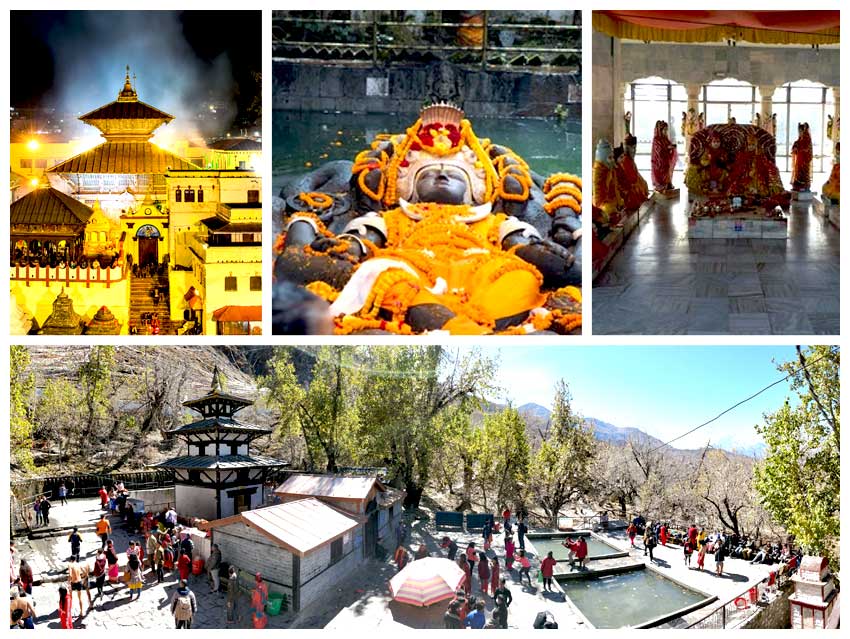
Located in the remote Mustang region, Muktinath Temple is considered one of the most sacred Vishnu temples. It is one of the 108 Divya Desams (holy Vishnu temples mentioned in Hindu scriptures). The temple’s significance is heightened by its association with the concept of Moksha (liberation). Pilgrims take a ritualistic bath under the 108 water spouts in the temple premises, believing that this act washes away sins and grants salvation.
Hindu mythology states that Lord Vishnu meditated at Muktinath and attained liberation here. The eternal flame, burning naturally from underground gas, symbolizes the divine presence. Many devotees also perform ‘Pinda Daan’ (offering to ancestors) at Muktinath to help their forefathers attain salvation.
Tatopani
Tatopani, meaning ‘hot water,’ is renowned for its natural hot springs. Pilgrims believe that taking a dip in these mineral-rich waters purifies the body, relieves ailments, and brings spiritual renewal. This location serves as a stopover for travelers seeking both relaxation and religious purification.
Pashupatinath Temple

Pashupatinath, one of the twelve Jyotirlingas, is Nepal’s most sacred Hindu temple dedicated to Lord Shiva. It is a UNESCO World Heritage Site and holds immense religious significance. The temple is situated on the banks of the holy Bagmati River, where cremation rituals take place as per Hindu traditions. The evening aarti, performed on the riverbanks, is a mesmerizing spiritual experience, with chants, lamps, and offerings creating a divine ambiance.
Hindus believe that Pashupatinath is the guardian deity of Nepal, and visiting this temple grants divine protection and blessings. Thousands of pilgrims, including sadhus (Hindu ascetics), visit the temple every year, especially during the Maha Shivaratri festival.
Doleshwor Mahadev

Doleshwor Mahadev in Bhaktapur is believed to be the missing head of Kedarnath, one of the twelve Jyotirlingas in India. According to legend, after the Pandavas from the Mahabharata sought forgiveness from Lord Shiva for their sins, he transformed into a bull and hid underground. The head portion of the bull is worshipped at Doleshwor, making it an essential pilgrimage site.
Janakpur

Janakpur, the birthplace of Goddess Sita, is home to the magnificent Janaki Temple. This temple is considered one of the most important sites for followers of Vaishnavism. According to the Ramayana, Janakpur is where King Janaka found baby Sita emerging from the earth while plowing a field. Later, this was the place where Lord Rama and Sita were married. Devotees from India and Nepal visit Janakpur to pay homage to Sita and seek blessings for a happy and prosperous married life.
Detailed Travel Tips & Guidelines
Detailed Travel Tips & Guidelines for the Pilgrimage Tour
It is essential to properly plan your trip to ensure a smooth, comfortable, and fulfilling experience and Nepal Tibet Excursion is here to cater your travelling needs. Nepal, with its rich cultural and religious heritage, offers a deeply spiritual atmosphere for pilgrims. To make the most of this journey, travelers must be well-informed about the best time to visit, essential packing items, local etiquette, temple rules, and financial considerations. Below is a comprehensive guide to help pilgrims prepare effectively for their sacred journey.
Best Time to Visit
The best time for this pilgrimage is during the spring (March to May) and autumn (September to November) seasons. These months offer pleasant weather, clear skies, and stable road conditions, making travel more comfortable and enjoyable. Spring brings mild temperatures, blooming flowers, and lush greenery, enhancing the scenic beauty of the journey. Autumn, on the other hand, provides crisp air, clear mountain views, and comfortable weather, making it an ideal time for temple visits and outdoor exploration.
Winter (December to February) can be extremely cold, especially in high-altitude areas like Muktinath and Jomsom. Snowfall may lead to roadblocks, and early morning temple visits can be quite challenging due to freezing temperatures. However, Kathmandu, Pokhara, and Janakpur remain accessible, and the reduced number of tourists can offer a more peaceful experience. Monsoon season (June to August) brings heavy rainfall, making road travel risky, especially in hilly regions. Landslides and flight cancellations are common, particularly on the route to Jomsom. However, for those who enjoy lush landscapes and fewer crowds, it can still be a rewarding time to visit.
For a smooth pilgrimage with minimal disruptions, it is highly recommended to plan the trip between March-May or September-November, when weather conditions are most favorable.
Packing List
Packing appropriately is essential for ensuring a comfortable and hassle-free journey, especially when traveling across different altitudes and climates. Since this pilgrimage covers Kathmandu (1,350m), Pokhara (822m), Jomsom (2,743m), and Muktinath (3,800m), travelers must be prepared for varying temperatures and weather conditions. Nepal Tibet Excursion will assist you in shopping essentials for your tour while in Kathmandu
For clothing, it is advisable to carry light cotton outfits for warmer cities like Kathmandu, Pokhara, and Janakpur. However, as Muktinath is located at a high altitude, warm layers are essential. Thermal innerwear, fleece jackets, shawls, and woolen socks will help keep warm, especially in the early mornings and evenings. A comfortable pair of walking shoes is necessary, as temple visits often involve long walks and uneven paths. Additionally, it is respectful to wear modest and religious attire while visiting temples, such as kurtas, sarees, or long pants with covered shoulders. Those traveling during monsoon season should also carry a raincoat or umbrella to stay dry.
Other essential items include sunscreen, sunglasses, and a hat to protect against sun exposure, particularly at high altitudes. A moisturiser and lip balm will help prevent dryness due to cold winds. It is also advisable to carry a reusable water bottle to stay hydrated, along with energy snacks like protein bars, dry fruits, and chocolates for long travel hours. Pilgrims should also pack a camera or smartphone to capture the scenic beauty and spiritual moments of the journey.
For health and personal care, travellers must bring personal medications along with basic first aid items such as antiseptic creams, band-aids, and painkillers. Since high-altitude travel can sometimes cause mild altitude sickness, carrying altitude sickness medicine (Diamox) is recommended. Those prone to motion sickness should also bring necessary tablets for long drives. Given the frequent temple visits and outdoor exposure, hand sanitisers, wet wipes, and tissues will be useful for maintaining hygiene throughout the trip.
Local Etiquette & Temple Rules
Respecting local customs and traditions is crucial when visiting sacred places in Nepal. Temples and religious sites follow strict guidelines regarding dress code, conduct, and rituals. Pilgrims should ensure that they follow these rules to maintain the sanctity of these revered spaces.
One of the primary requirements while visiting temples is dressing modestly. Both men and women should wear clothing that covers their shoulders and knees as a sign of respect. Tight or revealing outfits should be avoided. In certain temples, traditional attire is preferred. Some temples may also require visitors to wear a sacred scarf or shawl before entering.
Before stepping into any temple, it is mandatory to remove shoes and leather items such as belts, wallets, and bags, as leather is considered impure in Hindu temples. Designated areas are available outside temples where footwear and personal belongings can be stored safely. It is also important to avoid touching deities or sacred objects unless permitted by the temple authorities. While walking around temples, devotees should always move in a clockwise direction, as this is considered auspicious.
Maintaining respectful conduct is equally important. Pilgrims should speak softly and avoid loud conversations within temple premises. Photography is often restricted inside temples, so it is best to ask before taking pictures. Additionally, pointing feet towards deities, sitting on temple steps, or touching monks and priests should be avoided, as these acts are considered disrespectful.
During religious rituals, visitors should observe quietly and wait for their turn to participate. Many Hindu temples offer aarti ceremonies and special pujas, where devotees can seek blessings. Engaging in these rituals with sincerity and devotion enhances the spiritual experience. Following these etiquette guidelines ensures a respectful and enriching visit to Nepal’s sacred sites. Nepal Tibet Excursion representative will provide initial briefing upon your arrival in Kathmandu.
Currency & Payment Methods
Being financially prepared is essential for a hassle-free journey, as certain regions may have limited access to banking facilities. The official currency in Nepal is the Nepalese Rupee (NPR). It is advisable to carry some cash, particularly for small purchases, temple donations, and local transportation, as digital payment options may not be widely available in rural areas.
Currency exchange services are available at international airports, banks, and licensed exchange counters in cities like Kathmandu and Pokhara. ATMs are widely accessible in major urban areas, but their availability in remote locations like Jomsom and Muktinath may be limited. Therefore, withdrawing sufficient cash before heading to high-altitude regions is recommended.
Although credit and debit cards are accepted at hotels, restaurants, and larger stores in Kathmandu and Pokhara, cash remains the preferred payment method in temples, small shops, and local eateries. Temple visits often involve donations and ritual fees, so carrying smaller denominations (NPR 100, 500) is helpful for offerings. Pilgrims who wish to participate in special rituals, such as Rudrabhishek at Pashupatinath or bathing at Muktinath, may need to pay an additional donation directly at the temple.
Budgeting for the trip is crucial, and travelers should plan for daily expenses of around NPR 1,500-3,000 per person for personal expenses, snacks, and tips. Tipping is a common practice in Nepal, and guides, drivers, and hotel staff often appreciate small gratuities for their services.
By being financially prepared and aware of local payment methods, pilgrims can focus on their spiritual journey without any financial concerns.
Why Choose Nepal-Tibet Excursion for This Pilgrimage Tour?
Nepal-Tibet Excursion stands out as a premier travel partner for spiritual and adventure seekers, offering a seamless and enriching pilgrimage experience. With a deep understanding of Nepal’s sacred sites, expert guidance, and a commitment to customer satisfaction, we ensure that every aspect of your journey is well-planned, comfortable, and spiritually rewarding. Here’s why Nepal-Tibet Excursion is the perfect choice for this pilgrimage tour:
Expertly Crafted Itinerary with Spiritual Depth
Our pilgrimage tour is meticulously designed to include the most revered Hindu temples and sacred destinations in Nepal. From the powerful blessings of Pashupatinath in Kathmandu to the divine purification at Muktinath, every stop on this journey holds immense religious significance. We also ensure that pilgrims have ample time for rituals, prayers, and meditation at each location.
Experienced Guides with Religious Knowledge
A pilgrimage is not just about visiting temples; it is about understanding their spiritual essence. Our knowledgeable and experienced guides are well-versed in Hindu mythology, temple history, and local traditions. They provide insightful explanations about the significance of Manakamana, Doleshwor Mahadev, Janaki Temple, and other holy sites, enhancing your spiritual experience.
Comfortable and Hassle-Free Travel Arrangements
We take care of all logistical details, allowing you to focus on your spiritual journey. Our services include:
- Well-maintained vehicles for safe and comfortable travel
- Flights and permits for destinations like Jomsom and Janakpur
- Quality accommodations at hotels, lodges, and guesthouses
- Smooth transfers from airports to hotels and temples
- Personalized assistance for elderly travelers and special needs
Special Arrangements for Religious Rituals
If the time favors we help pilgrims participate in significant Hindu rituals such as:
- Pind Daan and Rudrabhishek at Pashupatinath
- 108 water spout purification bath at Muktinath
- Aarti ceremonies at major temples
- Manakamana Temple prayers for fulfilling wishes
Our team ensures that all religious customs are followed properly, allowing you to perform sacred rituals in a meaningful way.
Local Expertise and Cultural Immersion
With years of experience in Nepal and Tibet, we offer authentic cultural insights and interactions. Whether it’s exploring the vibrant streets of Kathmandu, engaging with monks at temples, or experiencing the warm hospitality of the Nepalese people, we create an itinerary that connects you deeply with the region’s rich traditions.
Affordable Pricing with No Hidden Costs
We believe in transparency and affordability. Our pilgrimage packages are designed to offer the best value for money, including accommodation, meals, guided tours, and transportation. There are no hidden costs, and we provide clear pricing for optional rituals and services.
Personalized Services and Customizable Packages
We understand that every traveler has unique needs, so we offer customizable pilgrimage packages. Whether you prefer a longer stay, need special arrangements for elderly members, or want to add other sacred destinations like Gosaikunda, Kailash Mansarovar, or Lumbini, we can tailor the itinerary to your preferences.
Cost Include
1) Tourist Standard Accommodation in Kathmandu, Pokhara and Muktinath
2) All Entry Fees and Permits
3) Guidance and Assistance
4) Meals on Full Board Basis ( Breakfast, Lunch and Dinner)
5) Road Transportation Kathmandu-Pokhara-Muktinath-Kathmandu
6) Roundtrip Air tickets for Kathmandu-Janakpur-Kathmandu
Cost Exclude
Itinerary
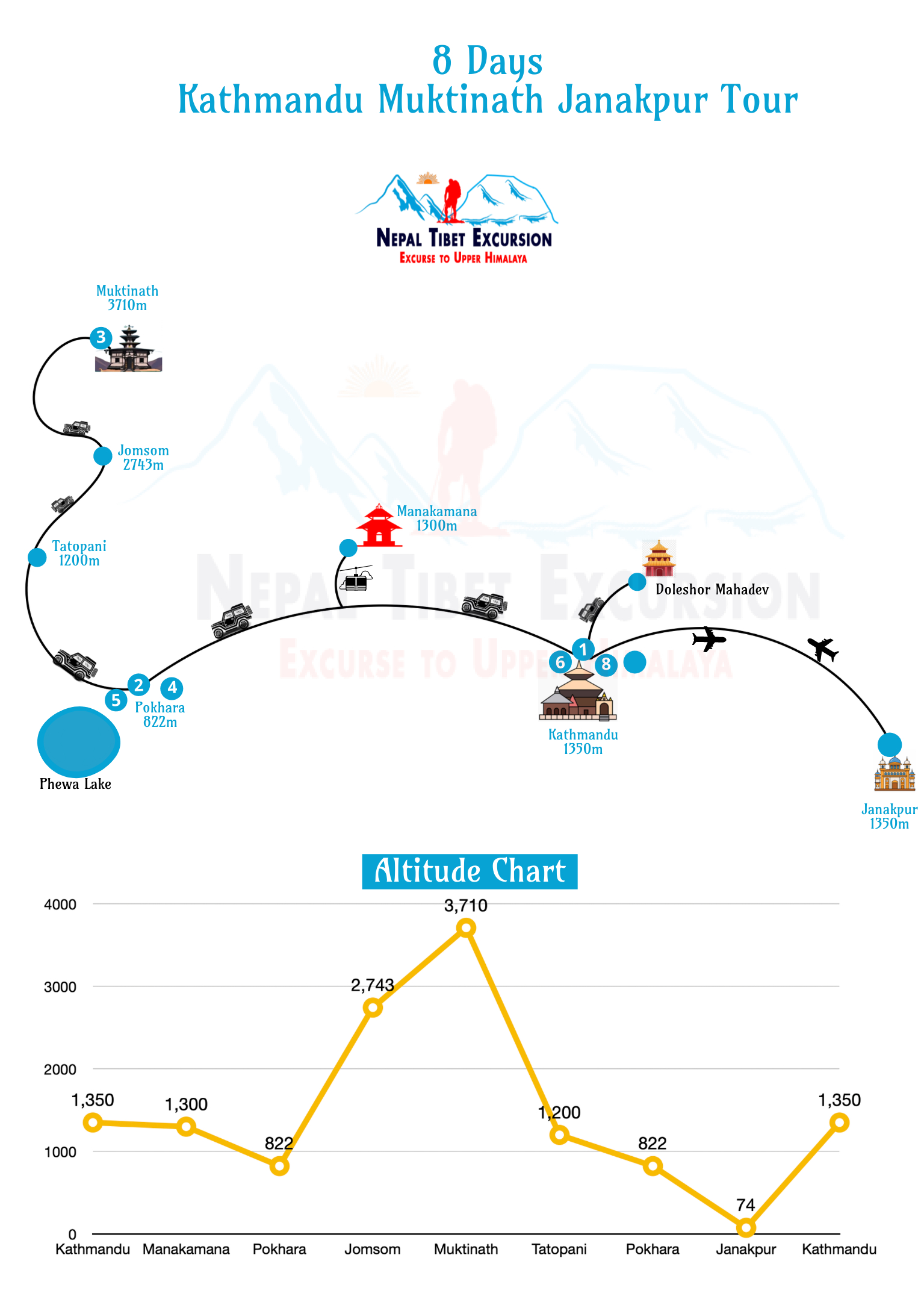
Upon arrival at Tribhuvan International Airport in Kathmandu, you will be greeted by our representative and transferred to your hotel. After a warm welcome, you will have some time to rest and recover from your journey. In the evening, a briefing session will be held to introduce you to the itinerary, ensuring you are well-prepared for the days ahead. If time permits, you can take a short walk around Thamel, a vibrant tourist hub known for its handicrafts, traditional Nepali food, and cultural ambiance.
After breakfast, we begin our scenic drive toward Pokhara, Nepal’s picturesque lake city. En route, we visit Manakamana Temple, perched atop a hill and accessible via a thrilling cable car ride. This temple is dedicated to Goddess Bhagwati, who is believed to grant the wishes of her devotees. After prayers and offerings, we continue our journey through lush landscapes and winding roads to reach Pokhara.
We take an early morning flight to Jomsom, a charming town in the Mustang region, known for its arid beauty and Tibetan culture. From here, we embark on a scenic drive to Muktinath Temple, one of the holiest pilgrimage sites for both Hindus and Buddhists. Devotees take a sacred bath under the 108 water spouts, believed to wash away sins. The temple’s eternal flame, burning naturally from underground gas, adds to its spiritual allure.
We start the day with a serene morning puja at Muktinath Temple, soaking in the divine energy of the place. After the rituals, we drive towards Tatopani, famous for its natural hot springs. Here, pilgrims take a therapeutic dip, believing it helps cleanse the body and heal ailments. After a relaxing stop, we proceed back to Pokhara, enjoying the mesmerizing landscapes along the way.
A full day of exploration awaits as we discover Pokhara’s religious and scenic attractions. We visit Gupteshwor Cave, home to a sacred Shiva Lingam, and Davis Falls, an underground waterfall with a unique legend. We then visit Bindhyabasini Temple, an important shrine dedicated to Goddess Bhagwati. The day ends with a peaceful boat ride on Phewa Lake, visiting Taal Barahi Temple, which sits on a small island in the middle of the lake.
We embark on a scenic drive back to Kathmandu, passing through charming villages, river valleys, and rolling hills. Upon arrival, you will have free time to relax or explore local markets.
A morning flight takes us to Janakpur, the birthplace of Goddess Sita and home to Janaki Temple, a stunning palace-like temple dedicated to Sita. We also visit Ram Mandir and the sacred ponds associated with Sita’s life. After exploring these significant sites, we return to Kathmandu in the evening.
We visit Kathmandu’s most revered temples, including Pashupatinath, Narayanthan (Budhanilkantha Temple), and Doleshwor Mahadev. The evening aarti at Pashupatinath is a spiritually uplifting experience, filled with devotional chants and rituals.
After breakfast, we transfer you to the airport, marking the end of your spiritually enriching journey.
Route Map For Kathmandu Muktinath Janakpur Pilgrimage Tour
 Frequently Asked Questions
Group Join Discount
| Nos Of Persons | price per person |
|---|
Up Coming Fixed Departure
| Trip Name | Departure Date | Price | Trip Status | Action |
|---|
Package Reviews And Rating
Write Reviews
Enquiry For Further Information